
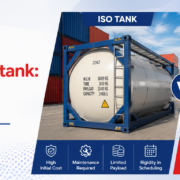
ISO Tank vs Flexitank: Which Is the Smarter Choice for Bulk Liquid Exporters?
Every exporter dealing in bulk liquids eventually reaches the same crossroads. Do you ship in a rigid steel tank or a flexible one-time liner? The iso tank vs flexitank question sounds simple on the surface, but it quietly influences your freight costs, your product safety, and how quickly your cargo actually reaches the buyer. Many businesses stick to whatever they used last time without asking if it still makes sense for the current shipment. That single habit often costs more than people realise.
This blog walks you through what actually separates these two options, what is happening in the bulk liquid transport space right now, the slip-ups exporters commonly make, and why Fluid Flexitank has become the trusted name for businesses moving liquid cargo worldwide.
What Sets an ISO Tank Apart from a Flexitank
An ISO tank is a rigid, permanent container built from stainless steel, mounted on a standard frame that fits onto trucks, ships and rail wagons. It is reusable across many shipments, which suits chemicals, hazardous liquids and cargo that moves on the same trade lane repeatedly.
A flexitank works differently. It is a flexible, multi-layer liner made from food-grade polyethylene that sits inside a regular 20 foot container. It is used once and then disposed of or recycled. This makes it a strong fit for non-hazardous liquids such as edible oils, wine, fruit concentrates, glycerine and various industrial fluids where a fresh, uncontaminated liquid transport tank matters every single trip.
ISO Tank vs Flexitank: Breaking Down the Practical Differences
- Ownership and running cost: ISO tanks involve leasing fees, cleaning between cargoes and repositioning charges when the tank sits far from your next pickup point. A flexitank removes most of that hassle since it is discarded after one journey, with no cleaning cycle or empty return trip to plan around.
- Space and loading efficiency: A flexitank stretched across a standard container can hold considerably more liquid than the same space filled with drums, meaning fewer containers per shipment. ISO tanks come in fixed sizes, so utilisation depends entirely on your cargo volume matching the tank capacity.
- Ease of handling: Flexitanks are light, quick to fit and do not demand specialised port equipment. ISO tanks need compatible lifting and handling gear, which is not always available at every port, and this can add unplanned delays to your delivery schedule.
- Contamination control: A flexitank is used only once, so there is no chance of residue from a prior cargo mixing into your product. ISO tanks require thorough cleaning between uses, and any lapse poses a serious risk to food and beverage exporters in particular.
- Best suited cargo: ISO tanks are still the go-to choice for hazardous chemicals, gases, and repeat long haul trade lanes. Flexitanks work best for non-hazardous bulk liquids that need affordable, single trip movement without compromising on hygiene.
What Is Happening in the Market Right Now
Bulk liquid transport is leaning further toward flexible solutions. Rising freight rates and shrinking margins are pushing food, beverage and chemical exporters to look at flexitanks as a way to cut per-unit shipping cost. Since a flexitank can carry noticeably more product per container than drums, exporters are reducing container counts and saving meaningfully on freight.
Buyers overseas are also becoming more selective, often asking for recyclable, FDA approved packaging before finalising a supplier. This is nudging more manufacturers away from steel drums and toward flexitank systems. At the same time, exporters are getting more cautious about who they buy their flexitanks from, since a poorly built one can rupture mid transit and undo any savings instantly.
Mistakes Exporters Keep Making
- Chasing the lowest quote Going for the cheapest flexitank or ISO tank lease without checking build quality often backfires. A thin, untested liner can tear during a long sea voyage, turning a small saving into a major loss.
- Assuming every liquid fits a flexitank Hazardous or highly reactive liquids need the rigidity of an ISO tank. Forcing the wrong cargo into a flexitank creates safety and compliance headaches nobody wants.
- Skipping manufacturer checks Few exporters ask their flexitank manufacturer whether raw materials like PE film, woven polypropylene, valves and stitching yarn are tested before assembly. Skipping this step raises the odds of tank failure at sea.
- Forgetting about loading expertise Improper installation at loading or discharge can damage a flexitank. Skilled handling at both ends is non negotiable for a safe delivery.
- Overlooking temperature needs Some liquids require heater pads or thermal liners during transit. Exporters who do not flag this upfront often receive cargo that has degraded in quality by the time it arrives.
Why Fluid Flexitank Is the Trusted Choice
Fluid Flexitank builds every tank fresh, with raw materials tested in an in house lab well before assembly begins. Woven polypropylene, PE film, stitching yarn, valves and hoses are checked at the source, so quality is engineered in rather than caught late.
Each tank uses multi ply, puncture resistant polyethylene designed to hold up through long, demanding sea routes. It meets recognised food grade standards including US FDA, BGA and CIQ, making it suitable for foodstuffs like wine, fruit juices, edible oils, malt extracts, glucose and tomato paste, along with non foodstuffs such as base oils, lubricants, glycerine, fertilizers and other non hazardous chemicals.
Being single use, there is no repair, no cleaning and no repositioning cost attached. Every shipment travels in a brand new tank, keeping cross contamination off the table entirely. It is lighter, takes up less space, and can carry close to 40 percent more product than drums in the same container, translating directly into lower freight spend.
The Smarter Way Forward
There is no universal winner in the iso tank vs flexitank debate. Hazardous cargo and long term repeat routes still call for an ISO tank. But for non hazardous bulk liquids where cost, hygiene and speed matter, a well tested flexitank is often the more sensible pick.
What decides the outcome is the manufacturer behind the tank. A flexitank is only as dependable as the materials and process that built it.
If you want your next bulk liquid shipment to travel in a tank that is tested, certified and built for real transit stress, get in touch with Fluid Flexitank today. Share your cargo details with their team and find a shipping solution that protects your product, your budget and your reputation with every consignment.
FAQ
An ISO tank is a reusable stainless steel container for repeated shipments, whereas a flexitank is a single use flexible liner fitted inside a standard container, mainly suited for non hazardous bulk liquids.
Yes, when built from FDA approved, food grade polyethylene and tested properly, flexitanks safely carry liquids like edible oils, wine, fruit juices and glucose without contamination risk.
For non hazardous liquids, flexitanks generally cost less overall since they skip cleaning, repositioning and repair expenses, while also allowing more product per container.
Typically no. Flexitanks suit non hazardous liquids. Hazardous, corrosive or high temperature chemicals usually require the strength and safety design of an ISO tank instead.
Check whether raw materials such as PE film, valves and stitching yarn are lab tested, whether quality checks happen at every production stage, and whether relevant food grade certifications are in place.