
Bulk Wines Shipping

What to Look for in a Flexitank Manufacturer for Wine Logistics

Bulk Wine Shipping Requires More Than Just a Container

In today’s competitive wine export market, bulk wine shipping has become a preferred logistics model for wineries and distributors worldwide. Shipping wine in bulk instead of bottles reduces freight costs, lowers packaging waste, and improves supply chain efficiency. However, the success of bulk wine transportation depends heavily on one critical factor — choosing the right flexitank manufacturer.

Many exporters focus only on price. Experienced logistics managers know that quality, engineering, and compliance matter far more. A poorly designed flexitank can affect wine quality, create discharge issues, or even result in cargo loss. This is why selecting the right supplier for bulk wine shipping containers is a strategic decision, not just a procurement task.

Bulk Wine Shipping and Why Manufacturer Quality Matters

Wine is a sensitive product. Unlike industrial liquids, it reacts to oxygen exposure, contamination, and temperature changes. During long sea voyages, even small issues in packaging can impact aroma, flavour, and shelf life.

A reliable flexitank manufacturer understands these risks. Their systems are designed specifically for food-grade applications and long distance logistics. Professionally, the container itself becomes part of the product protection process.

This is where quality engineering becomes essential.

Key Factors to Look for in a Flexitank Manufacturer

1. Food Grade Certification and Compliance

The first thing exporters should verify is compliance with international food safety standards. High quality wine transport tanks must use FDA approved and food grade polyethylene materials.

Look for manufacturers that comply with:

  • COA guidelines
  • FDA standards
  • ISO certified production systems

These certifications ensure that the flexitank is suitable for transporting wine without contamination risk.

2. Experience in Bulk Wine Transportation

Not every flexitank supplier specializes in wine logistics. Wine behaves differently from oils or chemicals. It requires specialized handling and packaging expertise.

An experienced manufacturer understands:

  • Wine oxidation risks
  • Temperature sensitivity
  • Pressure management during transit
  • Hygienic discharge systems

Suppliers with expertise in bulk wine transportation can recommend the right loading methods, valve systems, and discharge practices.

3. Strong Material Engineering

Material quality directly impacts safety and performance.

Reliable bulk wine shipping containers are used:

  • Multi-layered polyethene inner liners
  • Reinforced outer containment layers
  • Leak-resistant valve systems
  • High tensile strength films

These features help the flexitank withstand hydrostatic pressure, sea turbulence, and container vibration during long shipping routes.

Why Flexitank Design Impacts Wine Quality

A flexitank does more than hold liquid. It protects the wine throughout the journey.

  1. Oxygen Protection
    Poor sealing allows oxygen ingress, which affects taste and aroma. High quality flexitanks maintain a sealed environment that preserves wine quality.
  2. Temperature Stability
    Wine can react to extreme heat or cold. Manufacturers with strong engineering capabilities provide systems compatible with thermal protection solutions when required.
  3. Residue Reduction
    Efficient discharge systems ensure more product recovery and less residue left inside the tank. This improves profitability for exporters.

These factors make a major difference in professional wine shipping operations.

Technical Support and Global Logistics Expertise

A strong flexitank manufacturer does not stop at production. Exporters should look for suppliers that offer:

  • Installation guidance
  • Loading supervision
  • Technical documentation
  • Port discharge support
  • Emergency response assistance

Wine logistics involves coordination across shipping lines, ports, and customs authorities. Manufacturers experienced in bulk wine transportation understand these operational realities.

Sustainability and Carbon Footprint Reduction

Sustainability is becoming increasingly important in wine logistics. Bulk transport already reduces packaging waste by eliminating bottles during shipping. However, manufacturers can further improve sustainability through recyclable flexitank materials and efficient production practices.

Using modern wine transport tanks also helps reduce fuel consumption because more wine can be transported per container compared to bottled shipments.

For wineries focused on environmental goals, this matters significantly.

Why Fluid Flexitank Is a Reliable Choice

Fluid Flexitank combines engineering expertise with practical logistics understanding. Their systems are designed to support efficient and secure bulk wine shipping across international routes.

The company focuses on:

  • Food-grade compliant materials
  • Strong multilayer flexitank construction
  • Reliable discharge systems
  • Quality testing and inspection protocols

By supporting exporters with dependable bulk wine shipping containers, Fluid Flexitank helps wineries reduce costs while maintaining wine quality during transit.

Choose Smarter Wine Logistics Solutions

The right flexitank manufacturer can improve operational efficiency, protect product quality, and reduce logistics risk. In the global wine trade, these advantages directly affect profitability and brand reputation.

If your business is involved in bulk wine transportation, selecting a trusted flexitank partner is one of the smartest long-term decisions you can make.


FAQs

  1. Why is bulk wine shipping becoming more popular?
    Bulk wine shipping reduces freight costs, lowers packaging waste, and improves shipping efficiency. Many wineries now use bulk wine shipping containers to optimize global exports.

  2. What should exporters check in wine transport tanks?
    Exporters should verify food grade certifications, material quality, leak resistance, and discharge efficiency when selecting wine transport tanks for international shipping.

  3. How does bulk wine transportation help sustainability?
    Bulk wine transportation reduces glass bottle usage during shipping, lowers fuel consumption, and minimizes packaging waste, making wine exports more environmentally efficient.

  4. Why is manufacturer expertise important in bulk wine shipping?
    Experienced manufacturers understand wine quality protection, oxygen control, and safe logistics practices, ensuring reliable bulk wine shipping operations across global routes.
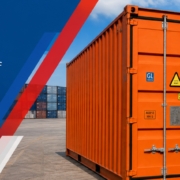
Flexitank Suppliers in India

From Factory to Port: The Role of Flexitanks in Chemical Supply Chains

Why Flexitank Suppliers in India Are Reshaping Chemical Logistics

The chemical industry depends on efficient and reliable logistics. From the moment liquid chemicals leave the factory until they reach the port, every stage of transport matters. This is why many exporters now rely on Flexitank Suppliers in India to improve safety, reduce costs, and simplify operations in modern chemical supply chains.

Traditional transport systems such as drums and intermediate bulk containers often create operational challenges. They increase handling time, reduce payload efficiency, and add packaging waste. Modern flexitank systems have changed this process completely. They convert a standard shipping container into a high-capacity liquid transport container designed for safe and efficient Bulk Liquid Transport.

For chemical manufacturers and exporters, this shift is not only practical. It is strategic.

Understanding the Role of Flexitanks in Chemical Supply Chains

Chemical logistics is more complex than general cargo movement. Liquids require controlled handling, reliable containment, and efficient loading systems. Even small delays can impact production schedules and export commitments.

This is where Flexitank Suppliers in India play a critical role. Flexitanks help move large volumes of non-hazardous chemicals through the supply chain with greater efficiency.

From Factory Loading to Port Movement

At the manufacturing site, flexitanks are installed inside a standard twenty-foot container. Liquids are pumped directly into the tank through a controlled loading system. This eliminates the need to handle multiple drums or containers individually.

Once loaded, the container moves seamlessly through:

  • Factory dispatch
  • Inland transport
  • Port handling
  • Ocean shipping
  • Destination discharge

The process reduces handling points and improves supply chain flow.

Why Chemical Exporters Prefer Flexitanks

  1. Higher Payload Capacity
    One of the biggest advantages of flexitanks is volume efficiency. Compared with drums, flexitanks can transport significantly more liquid in the same container space. This lowers freight cost per litre and improves shipment economics.

  2. Reduced Handling and Labour
    Traditional packaging requires stacking, securing, and unloading hundreds of drums. Flexitanks simplify the process through pump-based loading and discharge systems. This saves labour and reduces operational delays.

  3. Improved Safety
    A properly engineered liquid transport container minimises leakage risk and protects cargo integrity. Multilayer polyethylene liners and reinforced outer layers provide strong containment during transport.

  4. Cleaner Supply Chain Operations
    Single-use flexitanks reduce contamination risk. This is especially important for sensitive liquid chemicals that require hygienic and residue-free transport environments.

How Flexitanks Support Modern Bulk Liquid Transport

The global chemical industry operates under increasing pressure to reduce costs while improving sustainability and efficiency. Flexitanks support these goals in several ways.

  1. Lower Packaging Waste
    Drums and rigid containers create additional waste and disposal costs. Flexitanks reduce secondary packaging requirements and improve operational efficiency.

  2. Faster Port Operations
    Ports operate on strict timelines. Delays during loading or unloading increase costs quickly. Flexitanks improve turnaround time because pumping systems make discharge faster and more predictable.

  3. Better Supply Chain Scalability
    As export demand increases, companies need transport systems that can scale efficiently. Flexitanks allow exporters to move larger liquid volumes without increasing container count significantly.

This is why Flexitank Suppliers in India have become important partners for growing chemical exporters.

Why Manufacturer Expertise Matters

Not all flexitank systems perform the same way. The reliability of the entire supply chain depends on engineering quality and operational expertise.

A trusted supplier should provide:

  • Food and chemical grade compliant materials
  • Strong multilayer construction
  • Leak resistant valve systems
  • Technical installation support
  • Proven testing and inspection procedures

Experienced Flexitank Suppliers in India understand the pressures involved in Bulk Liquid Transport and design systems that can withstand road vibration, hydrostatic pressure, and long sea voyages.

Fluid Flexitank and the Future of Chemical Logistics

Fluid Flexitank supports chemical exporters with engineered solutions built for operational reliability. Their systems help companies improve shipping efficiency while protecting cargo quality.

By combining strong material technology with practical logistics understanding, Fluid Flexitank contributes to safer and more efficient chemical supply chains from factory to port.

Build Smarter Chemical Supply Chains

Chemical logistics requires more than transportation capacity. It requires reliability, safety, and operational efficiency at every stage.

Flexitanks simplify Bulk Liquid Transport while helping exporters reduce handling costs and improve supply chain performance. For businesses involved in liquid chemical exports, working with experienced Flexitank Suppliers in India is a critical long term investment.


FAQs

  1. Why are Flexitank Suppliers in India important for chemical exports?
    Flexitank Suppliers in India provide engineered solutions that improve Bulk Liquid Transport efficiency, reduce handling costs, and support safer shipping of non-hazardous liquid chemicals.

  2. How do flexitanks improve chemical supply chains?
    Flexitanks simplify loading, transport, and discharge processes. They reduce packaging waste and improve operational efficiency across the chemical export supply chain.

  3. What type of chemicals can be transported in flexitanks?
    Flexitanks are commonly used for non-hazardous chemicals, industrial liquids, lubricants, liquid fertilisers, and other compatible liquid cargo.

  4. Why is a liquid transport container better than drums for exports?
    A liquid transport container using flexitank technology increases payload capacity, reduces labor, minimizes waste, and improves Bulk Liquid Transport efficiency compared with drums.