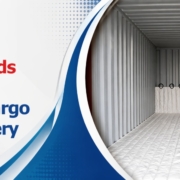
Heater pads for flexitanks

Preventing Delays in Bulk Liquid Transport Using Heater Pads

Delays cost money. In bulk liquid transport, they can be costly.

A truck is waiting at the discharge terminal. The pump is connected. But nothing is coming out. The cargo has thickened inside the flexitank, sometimes to the consistency of cold butter. The driver waits. The facility charges demurrage. Your customer is calling.

This is a scenario that plays out more often than most shippers want to admit. And the fix is simpler than you might think.

Heater pads for flexitanks are designed specifically to prevent this. They are not a luxury add-on. For viscous cargo, they are essential equipment.

Why Temperature Matters So Much in Bulk Liquid Transport

Not all liquids behave the same way when cold.

Water stays liquid. But edible oils, molasses, wine, latex, glycerine, and many industrial chemicals behave very differently. Their viscosity — their resistance to flow — increases sharply as temperature drops.

Bulk liquid transport often involves multi-week ocean voyages. Cargo passes through varying climates. A container sitting on a vessel deck in the North Atlantic in January can experience ambient temperatures well below zero. Even in mild climates, the temperature inside a standard steel container drops significantly overnight.

By the time the cargo arrives, it may have thickened to the point where pumping is extremely slow, or simply impossible without intervention.

The result: discharge delays. Demurrage charges. Missed delivery windows. Frustrated customers.

This is not a rare edge case. It is a recurring operational problem for anyone moving temperature-sensitive liquid cargo in liquid transport tanks.

What Are Heater Pads for Flexitanks and How Do They Work?

A heater pad is a flexible, electric heating element that wraps around or sits beneath a flexitank inside a shipping container.

The pad generates controlled, low-level heat. This heat transfers directly into the liquid cargo through the flexitank wall. The goal is not to cook the product — it is to bring the cargo back to a pumpable viscosity so discharge can proceed smoothly.

Heater pads for flexitanks are typically used in two scenarios:

  1. Pre-discharge heating. The pads are activated at the terminal before the pump is even connected. The cargo is gently warmed over several hours. By the time the hose goes on, the liquid flows freely.
  2. In-transit heating. In some operations, particularly for extremely cold routes or highly viscous products, heater pads are powered during the voyage using a reefer container’s electrical supply. Temperature is maintained throughout the transit.

Both methods work. The right choice depends on your cargo type, your route, and the ambient temperatures involved.

Installation is straightforward. The heater pad is placed against the base or sides of the flexitank before filling. Electrical connections are routed through the container door. No permanent modifications to the container are required.

The Real Cost of Not Using Heater Pads in Bulk Liquid Transport

Let me be direct here. Skipping heater pads to save money on equipment is a false economy.

A single discharge delay can cost more than the heater pad itself, sometimes several times over. Here is what adds up fast:

  1. Demurrage charges at the terminal. Most facilities charge by the hour after a free window. A stuck flexitank can take 6–12 extra hours to discharge without heating.
  2. Labour costs at the receiving facility. Workers stand waiting. Equipment sits idle.
  3. Delivery schedule failure. If your cargo feeds a production line or a retail window, a delay ripples downstream.
  4. Cargo quality risk. Repeated temperature fluctuations — warming, cooling, warming again — can degrade sensitive products like food-grade oils or pharmaceutical liquids.

The heater pad is cheap insurance. That is how experienced bulk liquid transport operators think about it.

Which Cargo Types Benefit Most from Heater Pads for Flexitanks?

Some products are far more affected by cold than others. From operational experience, the cargo types that most consistently benefit from heater pads for flexitanks include:

Edible oils. Palm oil, coconut oil, and tallow solidify at moderate temperatures. They are among the most common users of flexitank heating systems globally.

  1. Molasses and sugar syrups. Dense, viscous, and cold-sensitive. Discharge without heating is very slow, even in mild weather.

  2. Latex and rubber compounds. Extremely temperature-sensitive. Cold thickening can permanently damage product consistency.

  3. Industrial chemicals. Many polymers, resins, and lubricants thicken significantly below 15°C.

  4. Glycerine and glycols. Widely transported in liquid transport tanks, both become highly viscous at low temperatures.

  5. Wine and fruit juices. Less viscous, but cold temperatures slow discharge and can affect product quality in transit.

If your product has a pour point above 0°C, heater pads should be part of your standard flexitank setup.

What to Look for in a Quality Flexitank Heater Pad System

Not all heater pads are built the same way. These are the factors that matter most.

  1. Even heat distribution. A well-designed pad heats the cargo uniformly. Hot spots can damage heat-sensitive products. Look for pads with distributed heating elements across the full surface.

  2. Temperature control and safety cutoffs. The system should include a thermostat. Overheating a flexitank is a real risk if the temperature is not managed. Automatic cutoffs protect your cargo and your equipment.

  3. Food-grade compatibility. For edible oils, juices, or food-grade chemicals, the heater pad material must be safe for incidental contact with food-grade packaging.

  4. Robust power connections. Connections routed through the container must be weatherproof and suitable for port environments.

  5. Compatibility with standard 20-foot containers. The pad should fit the standard flexitank footprint without modifications to the container.

Ask your flexitank supplier whether heating solutions are available as a bundled offering. The best operators integrate the heater pad into the flexitank system — not as an afterthought.

Practical Tips Before Your Next Bulk Liquid Transport Shipment

A few things experienced operators always do before a shipment involving temperature-sensitive cargo:

Check the route temperature profile. Look at historical weather data for the voyage — not just the origin and destination, but the full shipping lane.

Specify heater pad requirements in your booking. Tell your freight forwarder. Tell the flexitank supplier. Do not assume it is handled.

Brief the discharge facility. Make sure the receiving terminal knows the cargo will require pre-discharge heating and has the right electrical connections available.

Test the system before filling. A quick check that the heater pad powers on correctly before the flexitank is loaded saves an enormous amount of trouble later.

Document the setup. A photo record of the heater pad installation protects you if any dispute arises at the destination about the cargo condition.

Small steps at the planning stage prevent large problems at discharge.

Working with viscous liquid cargo in flexitanks? Speak with a specialist who understands both the heating requirements and the logistics — before your next shipment, not after the delay.

FAQs

  1. What are heater pads for flexitanks, and why are they used in bulk liquid transport?
    Heater pads for flexitanks are flexible electric heating elements placed around a flexitank to warm viscous cargo before or during discharge. In bulk liquid transport, cold temperatures can cause liquids such as palm oil and molasses to thicken, making pumping difficult or impossible without controlled heating.

  2. Which liquid transport tanks and cargo types need flexitank heater pads most?
    Cargo with a high pour point benefits most, including edible oils, molasses, latex, glycerine, and industrial chemicals transported in liquid transport tanks. These products thicken significantly below 15°C. Without heater pads, discharge at the destination becomes extremely slow and operationally costly.

  3. How long does pre-discharge heating take for bulk liquid cargo in a flexitank?
    Pre-discharge heating for bulk liquid transport typically takes between 4 and 12 hours, depending on cargo type, ambient temperature, and heater pad specification. Planning ahead is key — coordinate with the discharge terminal in advance so the heating window is built into the unloading schedule.

  4. Do heater pads for flexitanks affect cargo quality or food safety?
    Quality heater pads for flexitanks use food-grade compatible materials and include thermostatic controls to prevent overheating. When correctly specified and operated, they do not affect the quality of bulk liquid cargo. They actually protect it by preventing the stress of repeated cooling and manual extraction attempts.
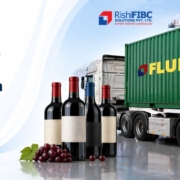
 

Bulk Wine Transportation

Bulk Wine Transportation vs Bottled Wine Logistics: Cost and Carbon Footprint

Every wine exporter faces the same question at some point. Do you ship in bottles, or do you go bulk?

It seems straightforward. But the answer involves money, emissions, logistics, and long-term strategy.

Bulk wine transportation is not a new concept. But it is gaining serious momentum. And for good reason.

What Is Bulk Wine Transportation and How Does It Work?

Simply put, bulk wine transportation means moving wine as a liquid commodity, before it is bottled, using large-volume containers.

The most efficient method today is the flexitank. A flexitank is a collapsible, food-grade polyethylene bladder. It fits inside a standard 20-foot shipping container. It holds up to 24,000 litres of wine.

Wine is pumped directly into the flexitank at the winery. The container is sealed. It travels by road, rail, or sea and is then pumped out at the destination for local bottling.

That is the basic model. But the implications run deep.

The Real Cost Difference Between Bulk and Bottled Wine Shipping

Let’s talk numbers. This is where bulk wine transportation makes its strongest case.

Bottled wine logistics come with layers of cost:

  • Glass bottle manufacturing
  • Corks, capsules, and labels
  • Cardboard cartons and dividers
  • Heavier freight weight per litre
  • Higher breakage risk in transit

A standard 20-foot container holds roughly 10,000 bottles of wine (750ml). That translates to approximately 7,500 litres of actual wine.

A single flexitank in the same container holds up to 24,000 litres.

That is 3.2 times more wine in the same container space.

The cost of bulk wine shipping per litre is dramatically lower. Freight rates, when calculated per litre of wine, can be 30–40% cheaper in bulk. Packaging costs are almost eliminated at the origin. And destination-side bottling, while it adds a local step, is often cheaper in markets where labour and materials cost less.

For high-volume exporters, this is not a marginal saving. It is a structural cost advantage.

Carbon Footprint — Where Bulk Wine Truly Wins

The environmental case is equally compelling.

Glass is heavy. A 750ml wine bottle weighs around 400–500 grams — often more than the wine inside. When you ship thousands of bottles, you are largely shipping glass across oceans.

That weight drives fuel consumption. More fuel means more carbon emissions.

Bulk wine shipping containers eliminate this problem at the source. The flexitank itself weighs under 25 kg when empty. The wine travels without packaging. Bottling happens close to the end consumer.

Studies in the wine industry estimate that shipping wine in bulk and bottling at the destination can reduce the carbon footprint of wine transport by 40% or more compared to bottled exports. Some estimates go higher, particularly for long-haul routes like Australia to the UK or Chile to the US.

The logic is simple: you are not transporting glass, cardboard, and air across 15,000 km. You are transporting wine.

Why Fluid Flexitanks Are the Preferred Choice for Bulk Wine Transportation

Not all flexitanks are equal. Fluid flexitanks designed specifically for wine transport are built to a higher standard.

Here is what makes them stand out for bulk wine transportation:

  1. Food-grade material. The inner liner is made from FDA-approved polyethylene. No flavour transfer. No contamination risk. Wine integrity is preserved from pump-in to pump-out.
  2. Multi-layer barrier protection. Quality wine transport tanks use multi-ply construction. This protects against punctures, UV exposure, and oxygen ingress — all critical for wine quality over a 4–6 week ocean transit.
  3. Compatibility with wine transport tanks and fittings. Fluid flexitanks are designed for easy integration with standard pump systems. Loading and unloading are fast. Spillage risk is minimal with proper butterfly valve fittings.
  4. Temperature management. While flexitanks themselves do not regulate temperature, they are compatible with reefer containers. For temperature-sensitive wines, this is an important pairing.
  5. No return logistics. Unlike stainless steel wine transport tanks or ISO tanks, flexitanks are single-use. No empty tank needs to be shipped back. This removes a hidden cost that many shippers overlook.

Bulk Wine Shipping Containers — What You Need to Know

Before You Start

Choosing bulk wine shipping containers is not just about the flexitank. The outer container matters too.

A standard dry 20-foot container is used for most ambient bulk wine shipments. The internal dimensions comfortably accommodate a full-size flexitank. A protective liner board is installed first — this protects both the flexitank and the container.

For premium or heat-sensitive wines, a reefer (refrigerated) container is used. The flexitank fits inside the reefer in the same way. Temperature is held between 12°C and 18°C for the duration of the voyage.

Before you book a shipment, confirm:

  • The flexitank supplier is certified for food-grade wine transport
  • Your freight forwarder has experience with liquid bulk cargo
  • The destination facility is equipped for flexitank discharge
  • Your insurance covers liquid bulk cargo in transit

These are not complicated steps. But they are easy to overlook on a first shipment.

Bulk Wine Transportation vs Bottled — A Quick Side-by-Side


Factor

Bulk Wine (Flexitank)

Bottled Wine

Volume per 20ft container

Up to 24,000 L

~7,500 L

Packaging cost at origin

Very low

High (glass, cork, carton)

Freight cost per litre

30–40% lower

Higher

Carbon emissions per litre

Significantly lower

Higher

Quality preservation

Excellent (food-grade)

Excellent

Breakage risk

Near zero

Present

Destination bottling needed

Yes

No

Suitable for premium wine

Yes (with reefer)

Yes

Exporters today prioritize reliability and efficiency. Integrated heating systems reduce discharge time, minimize cargo loss, and simplify operations.

Flexitank heating solutions for bulk liquids offer several advantages:

  • Faster cargo discharge
  • Lower energy consumption
  • Reduced product residue
  • Simplified unloading process
  • Improved cargo quality protection

When designed correctly, heater pads become an essential part of modern Bulk Liquid Transport systems.

Is Bulk Wine Transportation Right for Your Business?

It depends on your volume and your market.

If you are shipping less than a few thousand litres per month, the logistics setup may not justify the switch. Bottled wine makes sense at smaller scales.

But if you are consistently exporting above 10,000 litres per shipment, and especially if you have a distribution or co-packing partner at the destination, bulk wine transportation is almost certainly cheaper and cleaner.

Many major wine-exporting countries have already made the shift. Australia now ships the majority of its export wine in bulk. Spain, Chile, and South Africa have followed. The trend is accelerating.

The industry is moving. The question is whether your business moves with it.

Ready to explore flexitank solutions for your wine export operation? Talk to a fluid flexitank specialist who understands the wine supply chain — not just the container business.

Move Your Liquid Cargo Smarter

Efficient temperature control is critical for modern liquid logistics. Heater pads provide a dependable solution that improves cargo recovery and reduces unloading time.

For exporters looking to simplify Bulk Liquid Transport operations and protect product quality, choosing the right flexitank partner makes all the difference.

Explore how Fluid Flexitanks support safer and more efficient shipping solutions:
https://www.fluidflexitanks.com/why-fluid-flexitanks-for-bulk-liquid-transportation/

FAQs

  1. What is bulk wine transportation and how does it reduce shipping costs? 

    Bulk wine transportation means shipping wine as liquid in flexitanks before bottling. A single 20-foot container holds up to 24,000 litres — over 3x more than bottled. This drastically reduces the per-litre cost of bulk wine shipping by eliminating glass, carton, and cork costs at origin.

  2. How do wine transport tanks (flexitanks) preserve wine quality during long voyages? 

    Quality wine transport tanks use multi-layer, food-grade polyethylene construction to prevent oxygen ingress, contamination, and UV exposure. For temperature-sensitive wines, flexitanks are used within reefer containers to maintain ideal conditions of 12–18°C throughout the entire ocean transit period.
  3. How much does bulk wine shipping reduce carbon emissions compared to bottled wine? 

    Industry data shows bulk wine shipping containers can reduce transport-related carbon emissions by 40% or more. Glass bottles are heavy — often weighing more than the wine itself — so removing them from the equation significantly cuts fuel use across the bulk wine supply chain.

  4. Are fluid flexitanks suitable for transporting premium wine in bulk?

    Yes. Fluid flexitanks designed for bulk wine transportation are FDA-approved, food-grade, and compatible with reefer containers. Many premium wine exporters in Australia, Chile, and South Africa use flexitanks successfully, proving that quality is fully preserved during long-haul bulk wine shipping operations.