Natural Rubber Latex in Flexi Tanks: Stabilisation, Loading and Discharge Tips
Natural rubber latex is one of the most sensitive cargoes in liquid bulk transport. It looks like thick milk, yet careless handling can turn it into solid rubber. Shipping it in flexi tanks gives exporters a sealed and cost-effective option. In our experience, though, good results depend on careful handling from the plant to the receiving tank.
What keeps latex stable during shipping?
Ammonia keeps latex stable. Latex concentrate is field latex that processors concentrate to roughly 60% dry rubber content, which makes it efficient to ship. Ammonia stabilisation means adding ammonia to raise the pH, which stops bacteria from souring the latex and keeps the rubber particles apart.
Exporters usually ship either high ammonia or low ammonia grades. Low ammonia latex carries extra preservatives in place of some ammonia. Both grades need a sealed environment, because ammonia escaping from the cargo weakens its protection over time. The Rubber Board publishes useful grade and market information for latex producers.
Why does latex coagulate during shipping?
Coagulation is the process where rubber particles clump together and form lumps or a solid mass. Once it starts, you cannot reverse it.
Several factors trigger it. Freezing is the most serious, since frozen latex rarely recovers. Long exposure to heat also speeds up ammonia loss. Contamination from dirt or traces of copper can destabilise the cargo, and so can rough pumping that whips air into it.
Loading tips for latex concentrate shipping
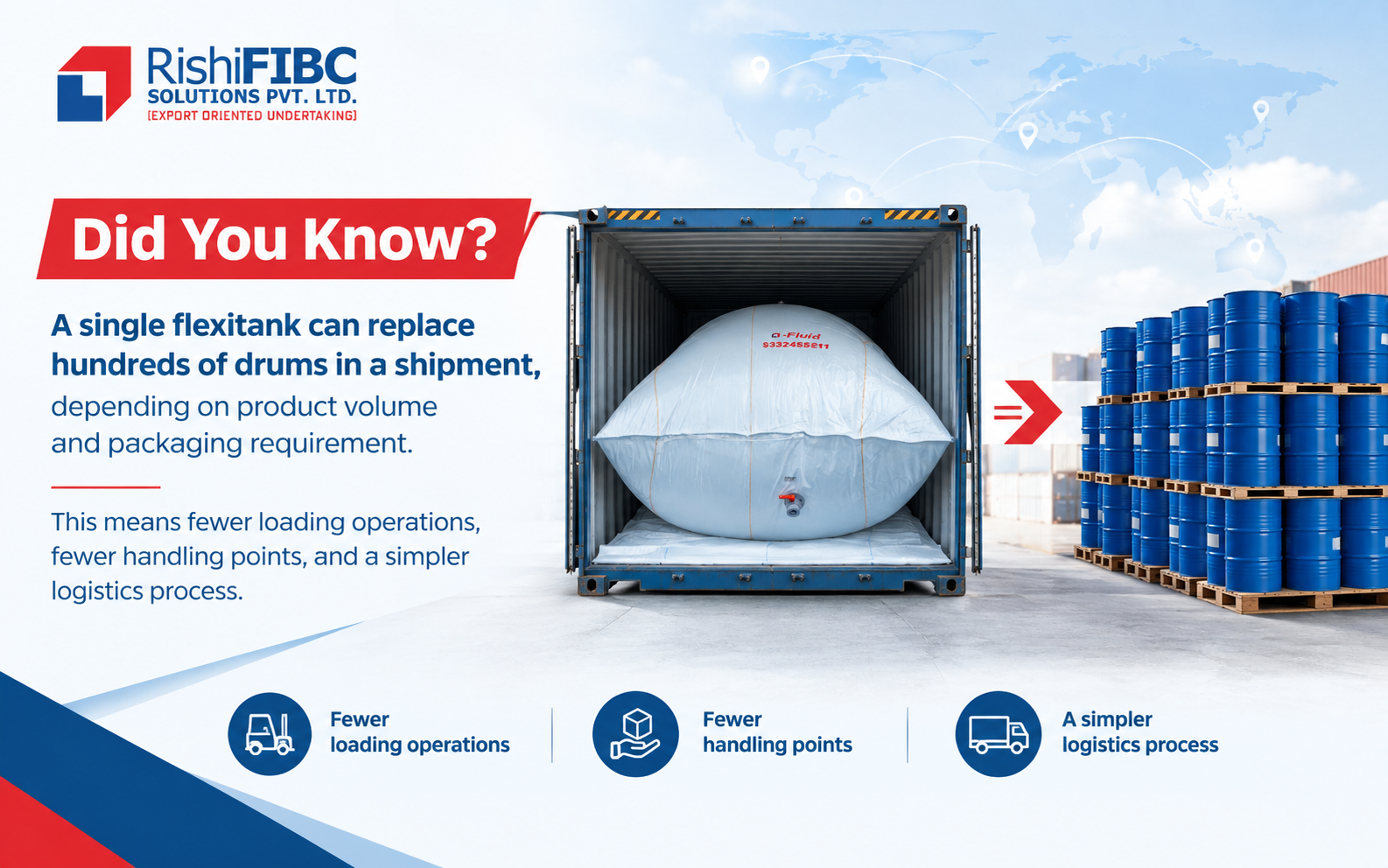
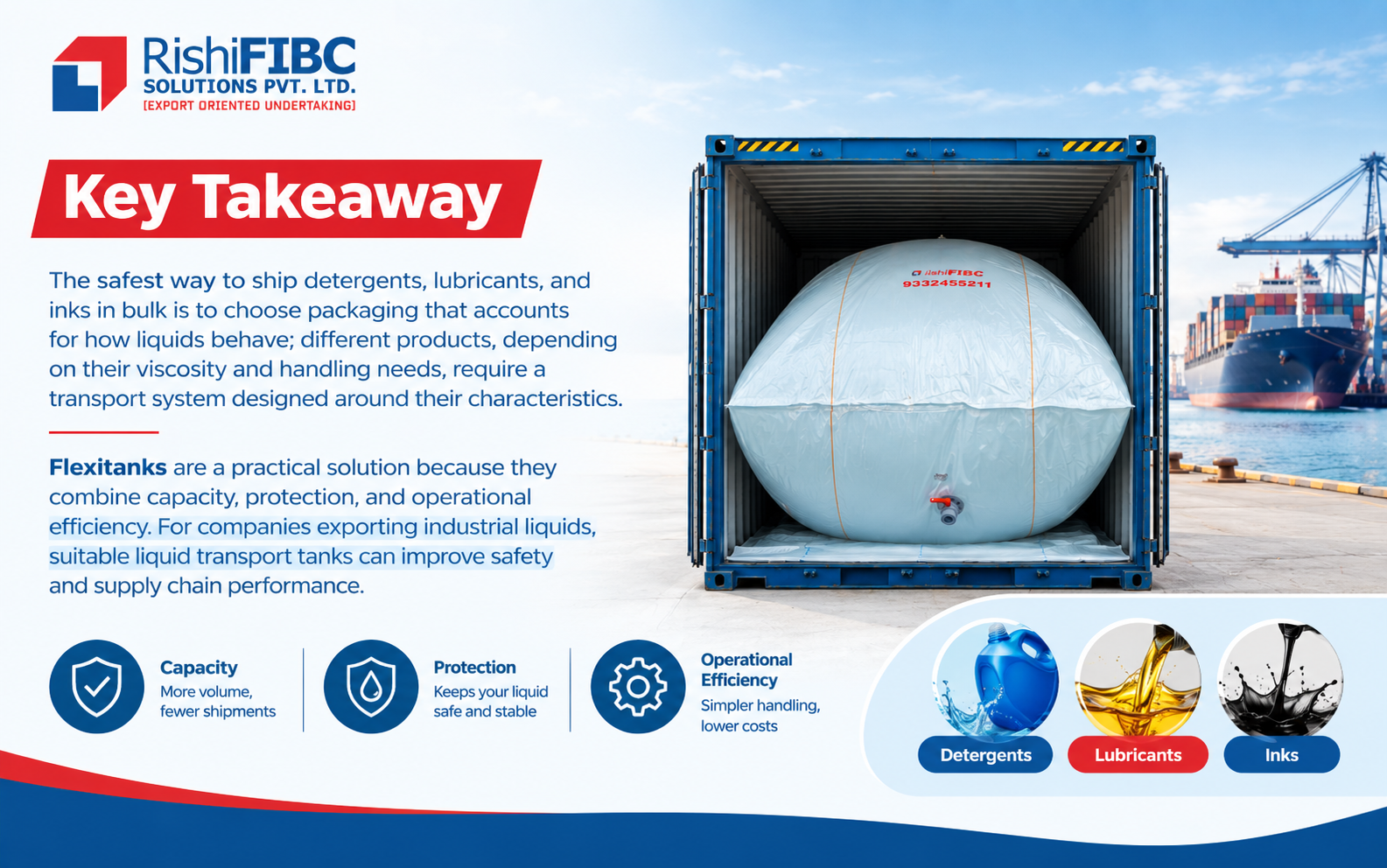
Begin by checking that both the flexitank and its PE liner are suitable for use with latex. The flexitanks that are used for the bulk transport of liquids are made of multi-layer polyethylene and have capacities ranging from 16,000 to 24,000 litres, with the option of top or bottom loading.
Next, prepare a clean and dry container lined with cardboard. Keep copper and brass away from the cargo. Check that every pump part and fitting that touches the latex contains no metal.
Before loading, test the batch for stability and ammonia level at the plant. Then fill slowly. Our team often advises latex exporters to use a low pump speed, because fast filling creates foam and traps air inside the bag. Stop at the correct fill volume for the latex density, so the flexitank sits evenly in the container.
Keeping latex safe in transit
When the container has left the plant, temperature becomes the greatest risk; routes and storage should be arranged so that freezing conditions are avoided, and the containers are kept out of the direct sunlight during long stops in port. Shorter transit times are also beneficial since the latex loses ammonia slowly over time. Flexi tanks that are sealed are better than drums and other types of bulk liquid shipping containers in that they minimise air contact throughout the whole journey.
How should you discharge latex from flexi tanks?
Discharge latex gently, using gravity flow or a low-speed pump. Rapid pumping can cause shearing and foaming, which may create lumps.
Keep the valve connection airtight so air does not enter the bag as it empties. A simple inline filter at the receiving end catches any small lumps before they reach storage tanks. Near the end, a thin skin of rubber may form on the bag surface. Remove it as residue and keep it out of the good cargo.
Latex shipment checklist
- Before loading, the stability and the ammonia level were checked.
- The material for the bag has been confirmed for use with latex.
- No copper or brass in contact with the cargo
- To fill slowly in order to reduce foam and the amount of trapped air.
- The route is being planned in order to avoid both freezing and prolonged heat exposure.
- Gentle discharge with an inline filter
You can read more about shipping latex, waxes and emulsions with zero contamination risk for a wider look at hygiene and material protection.
Ship latex with a partner who understands it
Latex rewards careful handling at every stage. Exporters who control stabilisation and temperature closely see far fewer quality claims at destination.
Fluid Flexitanks supports latex exporters with certified flexitanks built for sensitive liquid cargo transport. Find out why Fluid Flexitanks is trusted for bulk liquid transportation and speak to our team about your next latex shipment.
FAQ
Most exporters ship natural rubber latex in bulk as ammonia stabilised concentrate inside a flexitank. The flexitank sits in a standard 20-foot container, keeping the latex sealed from air and contamination throughout the voyage.
Latex coagulates when rubber particles clump together. Freezing, prolonged heat exposure, ammonia loss, contamination and rough pumping are the usual causes. Once coagulation starts, it cannot be reversed, so prevention during loading and transit matters most.
Ammonia raises the pH of latex and stops bacteria from souring it. It also keeps rubber particles apart. High ammonia and low ammonia grades both need a sealed flexitank so the ammonia does not escape.
Copper and brass can destabilise natural rubber latex even in small traces. Exporters should check that pumps, valves and fittings touching the cargo contain no metal before loading or discharge begins.
Discharge the latex slowly by means of gravity or a low-speed pump. Make sure that the valve connection is airtight, use an inline filter to pick up any small lumps, and remove the rubber skin that may be left in the bag as residue.