
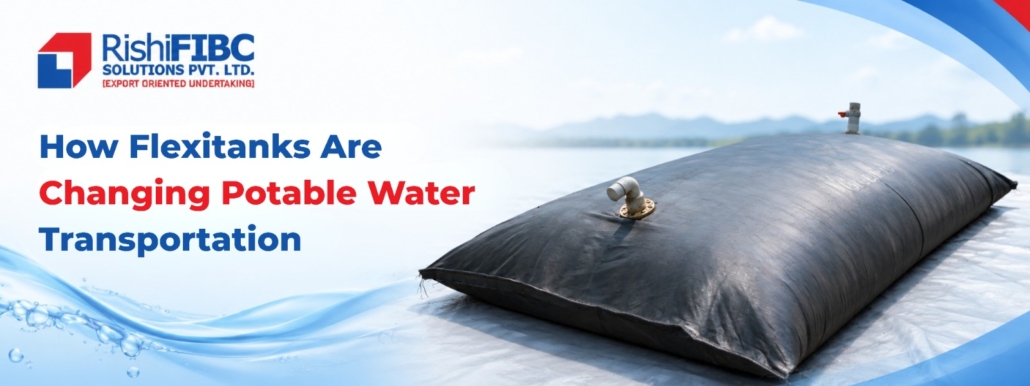
The Flexitanks for Mineral Water and Potable Liquids: Hygiene Meets Efficiency
Access to clean water is a global priority. Industries, communities, and organizations need reliable ways to store and move water safely. This has increased demand for efficient bulk water transport solutions, especially where traditional storage and transportation methods may not be practical.
Transporting mineral water and drinkable liquids requires more than large storage capacity; the system must protect water quality, prevent contamination, and maintain hygiene throughout. Flexitanks offer a practical solution because they use food-grade materials and controlled handling methods, helping ensure safe water transport while improving logistical efficiency.
Why Hygiene Matters in Bulk Water Transport
Flexitanks used for mineral water are made from food-grade, single-use material. Because each flexitank is used only once, there is no risk of leftover residue from a previous shipment. This single-use design offers a major hygiene advantage over reusable rigid tanks, which require thorough cleaning and inspection between uses.
The sealed structure also limits air and light exposure during transit, which helps preserve taste and quality. For potable liquids, this matters as much as the packaging used at bottling.
How Flexitanks Maintain Water Quality
A flexitank is a flexible liquid storage system installed inside a standard shipping container. It is made from multiple layers of food-grade polyethene designed to protect the liquid inside.
For mineral water and potable liquids, key factors include:
- Food Grade Materials
The inner layer of the flexitank comes in direct contact with water. Therefore, the material must suit sensitive liquid applications. High-quality materials help maintain product purity throughout transportation.
- Sealed Transportation Environment
Unlike open storage systems, flexitanks create a closed environment that protects the water during transport from dust, moisture, and external contaminants.
- Reduced Handling
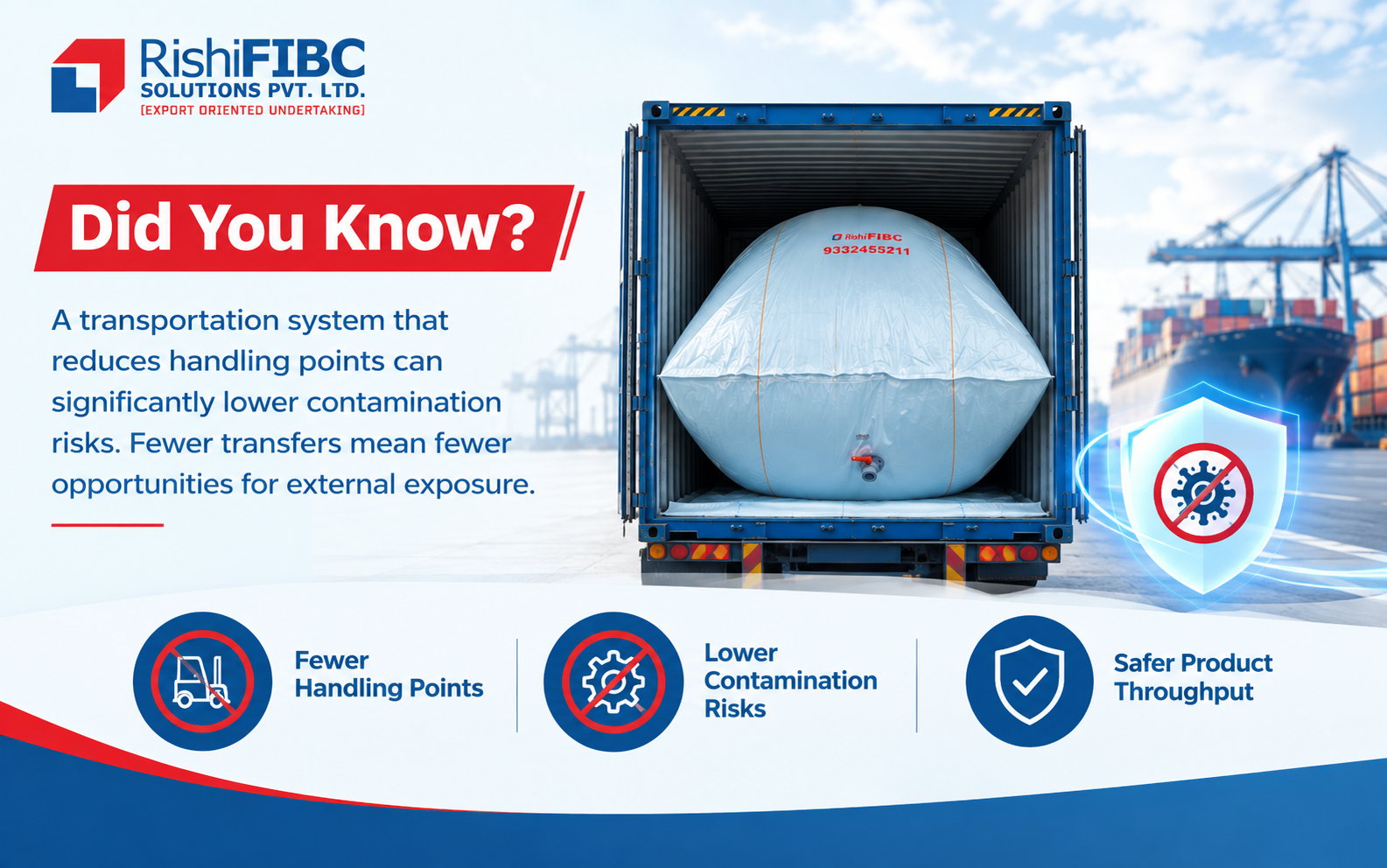
Using flexitanks reduces these extra handling steps and helps improve hygiene control. Because of these features, flexitanks suit companies looking for efficient bulk liquid transport solutions.
A Quick Look at the Difference
| Factor | Reused Rigid Tank | Flexitank for Water |
| Contamination risk | Higher, depends on cleaning | Very low, single use design |
| Volume efficiency | Limited by fixed shape | High, fits standard containers |
| Turnaround time | Slower due to cleaning cycles | Faster, ready to load |
| Support for bulk water conservation | Moderate | Strong, less waste and residue |
Supporting Water Conservation Through Smarter Storage
Water management is not only about saving water. It is also about preventing unnecessary loss.
Effective bulk water conservation requires proper collection, storage, and distribution systems. Flexible storage solutions support this goal by letting you move collected water or store it temporarily as needed.
For instance, industries that collect rainwater or manage water availability across seasons may need extra storage capacity when they collect large volumes. By offering mobility and temporary storage, flexible tanks can supplement existing infrastructure.
The suitability of any water application depends on water quality requirements, storage duration, and local regulations.
Applications of Flexitanks for Water Transportation
Flexitanks can support several water-related applications, including:
- Emergency Water Supply
In remote areas affected by natural events or short-term shortages, flexible water-transport solutions may be necessary.
- Industrial Water Requirements
Industries may use transported water for suitable processes with clearly defined quality requirements.
- Remote Project Locations
Reliable water supply systems are often needed at construction sites, in mining operations and in temporary facilities.
- Seasonal Water Management
Flexible storage can support organisations managing changing water availability throughout the year.
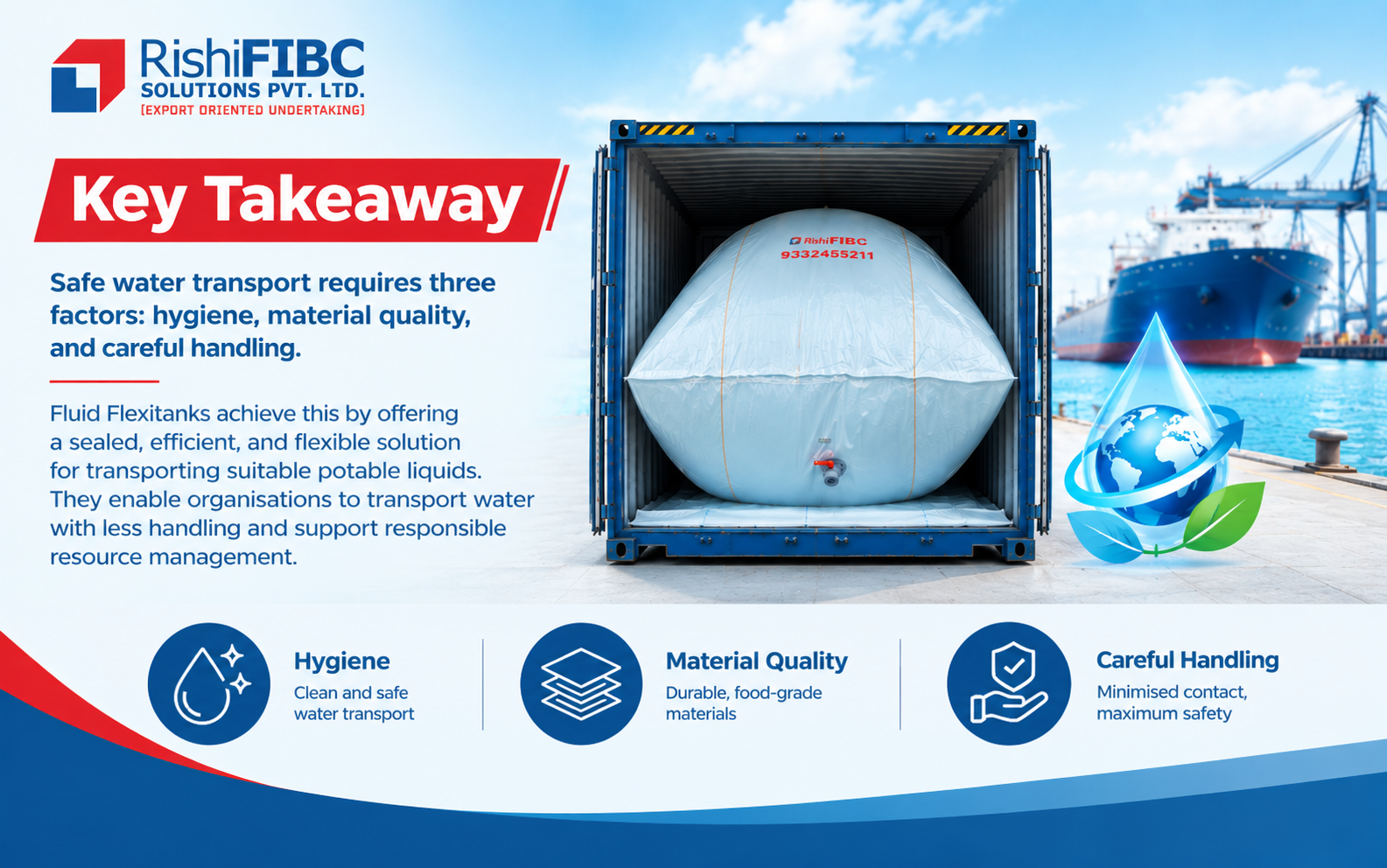
Choose Fluid Flexitank for Reliable Water Transportation Solutions
Properly managing every stage of transporting mineral water or drinkable liquids is essential, and selecting the right storage and transport system helps preserve water quality while improving operational efficiency.
Fluid Flexitank offers flexitank solutions for dependable liquid transport. Contact Fluid Flexitank today to find out how their products can help you move water safely and efficiently.
FAQ
Yes, flexitanks made from suitable food-grade materials can be used to transport mineral water; to keep water quality unimpaired during transport, choose the right materials, follow hygiene practices, and meet required compliance standards.
A flexitank creates a sealed environment for transporting the material, reducing contact with external contaminants, while single-use systems also help cut contamination risks linked to reusing containers.
Because flexitanks don’t need cleaning between uses, they can be loaded and unloaded faster, and they fit into standard containers, which reduces turnaround time and the number of trips needed for large volumes.
Since flexitanks don’t need cleaning between uses, they can be loaded and unloaded faster, and they fit into standard containers, which reduces turnaround time and the number of trips required for large volumes.
Look for manufacturers that provide food-grade certification, conduct rigorous quality testing, and ensure consistency.
