Bulk Liquid Transport_Fluid Flexitank

Understanding the Stretchable and Absorbent Properties of Flexitank Materials

The global demand for Bulk Liquid Transport has surged as industries seek more efficient alternatives to traditional drums and ISO tanks. This shift has placed flexitanks at the center of modern logistics. These flexible bladders are no longer just simple plastic bags. They are highly engineered systems designed to withstand the immense physical pressures of international shipping. Understanding the material science behind these containers is essential for ensuring cargo safety and operational efficiency.

Material Composition: The Multi-Layer Defense

A high-quality flexitank relies on a sophisticated multi-layer construction to provide both flexibility and strength. The inner layers typically consist of multiple plies of high-grade Polyethylene (PE) film. PE is selected for its exceptional elongation at break which allows the material to stretch without losing structural integrity.

Surrounding these inner layers is a robust outer layer made of woven Polypropylene (PP) fabric. This outer sleeve acts as the primary containment unit. While the PE layers hold the liquid, the PP fabric provides the tensile strength necessary to resist punctures and abrasions. This combination of “stretch” from the PE and “hold” from the PP is what makes liquid shipping containers reliable for long-distance hauls.

Flexitank manufacturer in India supporting Bulk Liquid Transport growth

India has become a major exporter of agricultural and industrial liquids. As export volumes grow, reliable packaging systems become essential. A reputable Flexitank manufacturer in India provides the engineering expertise required to handle large-scale Bulk Liquid Transport.

Fluid Flexitanks has built its reputation by focusing on material quality, manufacturing precision, and strict testing protocols. Each flexitank is engineered with multilayer polyethylene films supported by woven polypropylene outer protection. This combination offers flexibility, strength, and abrasion resistance during transport.

Quality control is critical in bulk logistics. Tanks must withstand hydrostatic pressure, container vibration, and environmental changes during long sea voyages. Manufacturers who follow defined Flexitank Container Specifications ensure that each unit consistently meets these requirements.

By providing durable liquid shipping containers that perform reliably under pressure, Fluid Flexitanks supports exporters across multiple industries.

Understanding Stretchable Properties

When a flexitank is filled with 16,000 to 24,000 liters of liquid, it exerts massive hydrostatic pressure against the container walls. The material must be able to adapt to this weight. Stretchability is a core safety feature that prevents the material from becoming brittle or snapping under tension.

High elongation capacity ensures the flexitank can expand to precisely match the dimensions of the container. This flexibility is vital when the vessel encounters sea turbulence or sudden braking during rail or road transport. By stretching slightly rather than resisting rigidly, the material dissipates energy and prevents ruptures that would otherwise lead to catastrophic leaks.

Understanding Absorbent and Shock-Resistant Properties

In the context of flexitank engineering, “absorbent” does not refer to soaking up liquid like a sponge. Instead, it refers to the material’s ability to absorb mechanical shock and distribute pressure evenly. During loading, the initial surge of liquid creates a high-pressure impact on the tank floor. The shock-resistant properties of the multi-ply PE construction help dampen this force.

Furthermore, the material must endure the “sloshing” effect caused by the motion of the ship or truck. As the liquid shifts, it creates dynamic loads. An effective Flexitank manufacturer in India utilizes advanced layer blown film plants to ensure the material can absorb these constant shifts without thinning at the corners. This resilience directly affects the safety of the cargo and the container.

Why Material Quality Impacts Capacity and Safety

The structural reliability of a flexitank is directly tied to the quality of the raw materials used. Low-grade polymers often lack the molecular bonding needed to withstand extreme temperature variations or high-pressure loads. If a material cannot stretch or absorb shock effectively, the risk of failure increases exponentially.

To maintain Flexitank Container Specifications, leading manufacturers implement rigorous in-house testing. This includes testing raw materials for quality before production and double-inspecting finished goods. State-of-the-art R&D labs allow engineers to simulate the harshest shipping conditions to ensure the tank meets international compliance standards.

Applications Across Industries

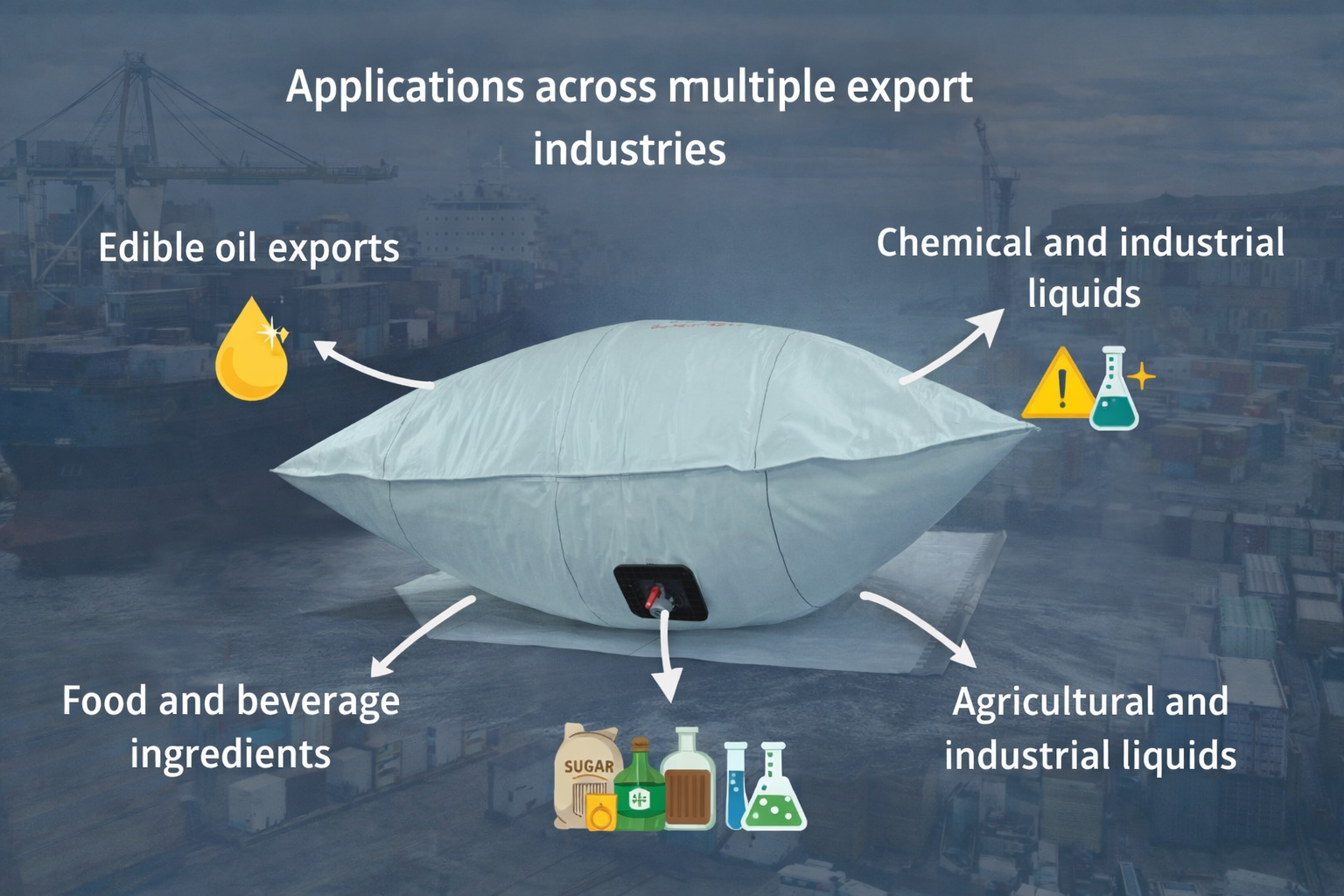
The versatility of modern flexitank material makes it ideal for a wide range of non-hazardous products. These materials are tested to meet US FDA and other international food-grade criteria. Common applications include:

  • Food & Beverage: Wine, concentrated juices, edible oils, and malt extract.
  • Industrial Chemicals: Lubricants, surfactants, base oils, and glycerine.
  • Agricultural: Fertilizers and herbicides.

For each of these cargo types, the material’s resistance to chemicals and acids is critical to preventing contamination.

Why Choosing the Right Manufacturer Matters

Selecting a flexitank is a decision that impacts your entire supply chain. It requires a partner with vast expertise in the textile and polymer industries. A reliable manufacturer provides integrated production from extrusion to finished goods, ensuring total quality control.

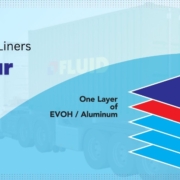
Fluid Flexitanks offers a world-class facility that utilises European machinery to produce specialised liners, including EVOH and Aluminum barriers. Their 7-layer blown film technology ensures that every tank is durable and reliable. By focusing on engineering excellence rather than just cost, they provide a solution that truly protects your investment.

The absorbent and stretchable properties of a flexitank are not minor technical details. They are the core safety factors that ensure your bulk liquid arrives safely. These materials allow the tank to move with the journey rather than fighting against it. Before choosing a supplier, always consult with experts who understand the material science required for your specific cargo.

Choosing Fluid Flexitanks means choosing a legacy of superior material engineering and a proven safety record. Ensure your bulk liquid transportation is handled by the best in the industry. Learn more about Fluid Flexitanks’ bulk packaging solutions here.

Non-Hazardous Chemicals

Flexitanks for Non-Hazardous Chemicals: What Makes Them Safe and Effective

The global chemical industry is undergoing a massive shift in its logistics. For years, exporters relied on heavy steel drums or expensive ISO tanks for the transport of non-hazardous chemicals. However, as profit margins tighten and sustainability becomes a priority, the industry is turning to a more agile solution: the flexitank. These high-tech, flexible bladders transform standard bulk liquid shipping containers into efficient, single-use transport systems. But what exactly makes them the gold standard for safety and effectiveness in the chemical sector?

What Are Flexitanks and Why Are They Safer?

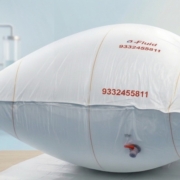
A flexitank is a large, flexible bladder made of multiple polyethylene layers enclosed within a woven polypropylene outer layer. Installed inside a standard freight container, it can hold up to 24,000 liters of non-hazardous liquid.

So, what makes flexitanks safe and effective for chemical logistics?

✅ 1. Multi-Layered Protection Against Leaks

Each flexitank used in non-hazardous chemicals transport is designed with multiple internal layers. These layers not only resist punctures and abrasion but also provide chemical compatibility. This ensures that even aggressive liquids like certain plasticizers or emulsifiers don’t react with the container itself.

✅ 2. Single-Use, Sterile Packaging

Unlike ISO tanks or drums that are reused, flexitanks are single-use. This drastically reduces the risk of cross-contamination, which is vital when shipping high-purity or sensitive chemical products. After unloading, the flexitank is responsibly discarded or recycled.

✅ 3. COA Compliance and Quality Assurance

Reputable Flexitank manufacturers in India like Fluid Flexitanks comply with international standards such as the Container Owners Association (COA) Code of Practice, ensuring that every unit is safe, robust, and thoroughly tested before dispatch. COA compliance also ensures compatibility with major shipping lines.

Efficiency in Bulk Liquid Transport for Non-Hazardous Chemicals

Flexitanks don’t just promise safety — they deliver unmatched logistics efficiency for bulk liquid transport:

  • Higher Payload: Carries more volume than drums or IBCs in the same space
  • Faster Loading/Unloading: Requires only one hose connection — less manpower and lower labor cost
  • Zero Cleaning & Return Freight: Eliminates washing, storage, or backhaul costs
  • Eco-Friendly Disposal: Made from recyclable materials, they support sustainable logistics

For non-hazardous chemical companies aiming to reduce carbon footprint and shipping costs, this packaging innovation is game-changing.

Why Flexitanks Are the Ideal Bulk Liquid Shipping Containers for Non-Hazardous Chemicals

Here’s how flexitanks compare to traditional bulk liquid shipping containers when it comes to chemical transport:

Packaging Type

Return Freight

Cleaning Required

Contamination Risk

Payload

Environmental Impact

Steel Drums

No

No

Medium

Low

High

IBCs

No

Yes

Medium

Medium

Medium

ISO Tanks

Yes

Yes

Low

High

Low

Flexitanks

No

No

Low

High

Low (Recyclable)

Flexitanks optimize space, minimize handling, and maintain product integrity — all while reducing cost and complexity.

Applications in Chemical Industries

Fluid Flexitanks currently supports clients transporting:

  • Surfactants
  • Lubricants and base oils
  • Adjuvants
  • Glycerin
  • Sodium silicate
  • Latex and emulsions
  • Food-grade additives and oils

All these are non-hazardous in nature but require protective, contamination-free environments — a job flexitanks are well equipped for.

✅ Partnering with the Right Flexitank Manufacturer in India

Quality matters. Not all flexitanks are equal in performance and reliability. Fluid Flexitanks is an established flexitank manufacturer in India, delivering:

  • Certified, multi-layered flexitanks with high chemical compatibility
  • Pre-installation quality checks and container inspection
  • Global support for port loading/unloading
  • Optional accessories like heater pads for temperature-sensitive cargo

Our team works closely with exporters to assess chemical compatibility and ensure every shipment moves efficiently and safely.

✅ Make Your Chemical Supply Chain Safer and Smarter

From cost-savings to safety, flexitanks are changing the way non-hazardous chemical transport is managed globally. With zero compromise on quality and performance, Fluid Flexitanks helps exporters deliver bulk chemicals reliably — from the factory to the end-user, across continents.

📦 Ready to scale your chemical exports without scaling up your logistics costs?
Partner with Fluid Flexitanks for a cleaner, safer, and more cost-efficient solution.


FAQs:

  1. Can flexitanks carry all types of chemicals?
    Flexitanks are designed for non-hazardous chemicals only. They’re not suitable for corrosive or flammable materials but are ideal for surfactants, oils, lubricants, glycerin, and additives.
  2. Are flexitanks approved for chemical transport internationally?
    Yes. Fluid Flexitanks are COA-certified and widely accepted by major shipping lines worldwide, making them suitable for international bulk shipments of non-hazardous liquids.
  3. How do flexitanks prevent contamination?
    Flexitanks are single-use and built with multilayered food-grade polyethylene, ensuring no cross-contamination or residual risk from previous cargo.
  4. Are flexitanks environmentally friendly?
    Yes. Flexitanks eliminate secondary packaging waste and are made from recyclable materials, reducing the overall carbon footprint of your chemical supply chain.
liquid shipping containers

How Flexitanks Help Reduce Freight and Handling Costs in Global Shipping

In the fast-paced world of global trade, freight costs and cargo handling represent a major share of the overall supply chain expenses, especially for businesses involved in bulk liquid transport. Traditional packaging options like steel drums, ISO tanks, and IBCs not only occupy more space but also require intensive manual labor and return logistics. Enter flexitanks — a disruptive innovation in liquid shipping containers that has redefined cost-efficiency in cross-border logistics.

By maximising payload, minimising material handling, and reducing waste, flexitanks offer a scalable and sustainable solution to exporters and logistics providers across industries like food, chemicals, oils, and beverages.

Why Flexitanks Outperform Traditional Liquid Shipping Containers

✅ 1. Higher Payload = Fewer Shipments

A standard 20-foot container fitted with a flexitank can carry up to 24,000 liters of non-hazardous liquid. This is 30–40% more volume than drums or IBCs occupying the same space. Fewer shipments mean lower freight costs, reduced fuel usage, and better carbon efficiency.

In contrast, drums consume valuable space due to their shape and packaging, often requiring more containers for the same volume of liquid.

✅ 2. Reduced Handling Time and Labor Costs

One of the biggest cost-saving advantages of flexitanks is operational efficiency. Loading and unloading is fast, automated, and require minimal manual handling. No stacking, no lifting heavy barrels, no spill cleanup. With pump systems, liquids are quickly transferred in and out of the tank, saving labor hours at both origin and destination.

✅ 3. Eliminates Return Freight and Cleaning Costs

Unlike ISO tanks that need to be shipped back after unloading, flexitanks are single-use and fully recyclable. This eliminates costly return logistics and depot cleaning charges. For exporters working on tight margins, this single-trip convenience makes a significant financial difference.

By removing the need for intermediate packaging and cleaning services, businesses also streamline operations and improve delivery timelines.

Flexitanks vs Bulk Liquid Shipping Containers: A Cost Breakdown

When compared to other bulk liquid shipping containers, flexitanks consistently offer better ROI:

Packaging Type

Payload (Litres)Return Freight

Cleaning Needed

Packaging Waste

Loading/Unloading Time

Steel Drums

16,000

No

No

High

High

IBCs

18,000

No

No

Medium

Medium

ISO Tank

24,000

Yes

Yes

Low

Low

Flexitank

24,000

No

No

Low (recyclable)

Low


From the table above, it’s clear that flexitanks combine maximum capacity with minimum operational costs, making them ideal for long-haul, high-volume liquid logistics.

Bulk Liquid Transport Needs Smarter Packaging

As businesses scale operations globally, the need for flexible, affordable, and hygienic solutions for transporting liquids is more important than ever. Flexitanks answer that need with:

  • Zero contamination risk through single-use, food-grade materials
  • Faster customs clearance thanks to clearly labelled containers and reduced inspection issues
  • Compatibility with a wide range of liquids, including edible oils, sweeteners, detergents, and more
  • Elimination of secondary packaging that contributes to both cost and environmental waste

Trusted by Exporters: Backed by a Leading Flexitank Manufacturer in India

Not all flexitanks are built the same. At Fluid Flexitanks, every unit is engineered for performance, safety, and compliance. As a globally recognized Flexitank manufacturer in India, the company supports exporters with:

  • COA-certified flexitanks
  • Multi-layered, leak-proof polyethylene construction
  • Compatibility with heating pads for temperature-sensitive cargo
  • End-to-end support from loading to discharge

Whether you’re shipping coconut oil, fruit concentrate, latex, or non-hazardous chemicals, Fluid Flexitanks ensures cost savings and reliable performance.

✅ Make the Shift to Smarter Liquid Shipping Containers

If you’re tired of rising freight costs, manual handling delays, and inefficient packaging, it’s time to explore what flexitanks can do for your business. Fluid Flexitanks delivers smart, sustainable solutions tailored to your bulk liquid transport needs.

👉 Get in touch today and learn how our flexitanks can simplify your supply chain, reduce operating costs, and deliver your liquid cargo safely — every time.


❓ FAQs:

  1. How do flexitanks help reduce freight costs?
    Flexitanks hold more liquid per container compared to drums or IBCs, reducing the number of containers needed and lowering shipping costs per unit.
  2. Are flexitanks suitable for all liquid products?
    Flexitanks are ideal for non-hazardous liquids, such as edible oils, syrups, detergents, and chemicals. They are not suitable for hazardous or volatile cargo.
  3. Can flexitanks be reused?
    No. Flexitanks are designed for single-use to ensure hygiene and eliminate contamination risks. However, they are made from recyclable materials.
  4. How do flexitanks reduce labor costs?
    Flexitanks streamline loading and unloading through pump systems, reducing the need for manual handling of multiple smaller containers.
  5. Who is a trusted flexitank manufacturer in India?
    Fluid Flexitanks is a leading manufacturer offering certified, high-quality flexitank systems with global export support and strong performance in bulk liquid logistics.