
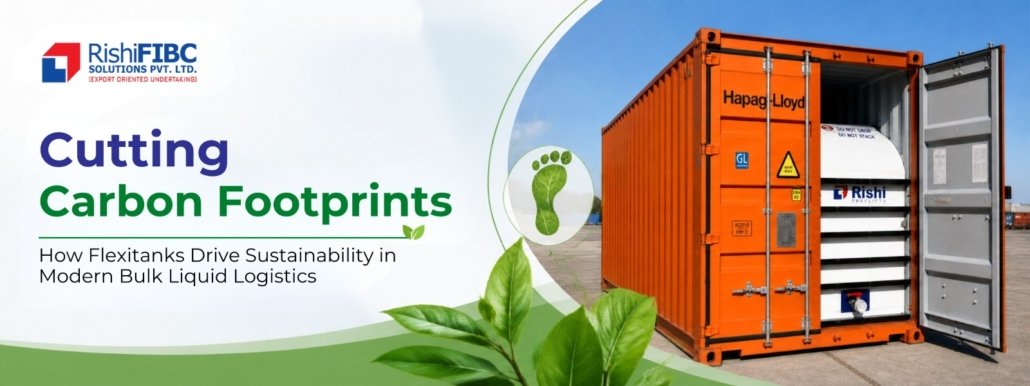
Sustainability in Bulk Liquid Logistics: How Flexitanks Reduce Carbon Footprint
In the modern industrial landscape, optimizing bulk liquid logistics has become a top priority for companies seeking true environmental sustainability. Traditional transport methods often drain corporate resources and leave a massive environmental impact across global supply chains. Efficient shipping now demands smarter packaging solutions that streamline your distribution, much like how a motion continuous flow reactor optimizes chemical processing through constant efficiency. By shifting toward innovative fluid packaging systems, global businesses can drastically lower greenhouse gas emissions and transform their entire supply chain into a clean operation.
The global push for green logistics is no longer a distant regulatory requirement. It is an immediate commercial necessity. Shippers are moving away from heavy steel drums and rigid intermediate bulk containers because these older methods carry hidden environmental costs. Heavy packaging increases total vehicle weight, which directly triggers higher fuel consumption during transit. Furthermore, cleaning reusable containers requires vast amounts of water and harsh chemical detergents, creating a secondary pollution cycle.
Why Modern Bulk Liquid Logistics Demands Eco-Friendly Innovation
The logistics sector contributes significantly to global carbon emissions. Therefore, reducing the carbon footprint of every shipment is vital. Traditional logistics relies heavily on round trip transportation models. When ISO tanks or steel drums are used, they must be shipped back to their origin after unloading. This means trucks and ships are frequently moving empty containers across thousands of miles.
This empty return leg doubles the transport emissions for a single cargo delivery. It creates an unsustainable cycle of waste and fuel burn. By contrast, converting standard twenty-foot dry containers into high-capacity liquid carriers completely eliminates this logistical headache. It allows companies to maximise every single mile travelled.
Direct Ways Flexitanks Minimise Environmental Impact
The adoption of flexible engineering within standard shipping containers fundamentally alters the sustainability equation. Here is exactly how these systems reduce your corporate carbon footprint.
Eliminating Return Logistics Completely
Flexitanks are designed for one-way transport. Once the liquid cargo reaches its final destination, the bladder is unloaded and removed. There is absolutely no need to ship an empty container back to the starting point. The dry container remains at the destination port, ready to be utilised immediately for general dry cargo exports. This simple change halves the required transport distance for the container shell, directly lowering carbon emissions.
Maximising Payload Volume and Reducing Trips
An ultra-lightweight polymer bladder lets you pack more product in a single container. A flexitank can carry up to twenty-four thousand litres of non-hazardous liquid cargo. This volume is roughly 40% higher than what can fit into a standard drum shipment inside the same space.
By carrying more liquid per container, you require fewer total shipments to move the same volume of product. Fewer shipments mean fewer trucks on the road and fewer vessels at sea, leading to an immediate drop in fuel consumption.
Cutting Out Chemical Cleaning Cycles
Reusable steel tanks must undergo intense high-pressure washing between shipments to avoid cross-contamination. This cleaning process consumes thousands of gallons of clean water and utilises aggressive chemical solvents. Managing the toxic wastewater runoff adds another layer of environmental stress. Because modern industrial bladders are single-use items manufactured from food-grade virgin polymers, they require zero cleaning. They offer a pristine environment for every batch without wasting natural resources.
Optimising Bulk Liquid Logistics Operations
Efficiency at the loading dock is just as critical as efficiency on the open ocean. Utilising flexible systems vastly simplifies your bulk liquid transfer operations.
Traditional drum handling requires significant manual labour, the use of forklifts, and considerable time to load or unload individual units. This prolonged process keeps facility lights, machinery, and trucks idling for hours, which adds to the site’s carbon footprint.
Conversely, flexible bladders utilise direct pump systems for loading and discharging. Liquid is transferred smoothly at a controlled rate, dramatically cutting down truck turnaround times. Fast, automated transfer processes reduce energy consumption at the terminal. It creates a highly streamlined supply chain that operates with minimal physical waste and lower localised emissions.
Partnering with a Premier Flexitank Manufacturer in India
Achieving your corporate sustainability goals requires working with an authoritative partner who understands the strict engineering requirements of liquid logistics. As a leading Flexitank Manufacturer in India, Fluid Flexitank designs advanced multi layered containment systems that guarantee zero leaks and maximum product protection.
Our manufacturing processes follow strict international quality controls. We combine heavy duty outer woven fabrics with high barrier inner liners. This advanced engineering ensures that your liquid cargo remains perfectly secure throughout transit, preventing environmental contamination from accidental spills. We provide the reliable tools your business needs to reduce freight costs while actively protecting the planet.
Conclusion: Your Path to Greener Logistics
Embracing sustainability in your supply chain is a powerful way to reduce operational waste and protect global ecosystems. Flexible transport solutions provide a proven framework to optimize your bulk liquid logistics by maximizing payloads, eliminating empty return trips, and removing the need for wasteful chemical cleaning. It is a highly effective operational strategy that benefits both your corporate bottom line and the global environment.
Do not let outdated shipping methods slow down your corporate sustainability progress or inflate your transport budgets. It is time to upgrade to a cleaner, more efficient distribution network.
Partner with an industry leader to transform your shipping operations. Contact Fluid Flexitank today to secure premium, eco friendly containment systems designed for your specific business requirements.
Optimize Your Bulk Liquid Logistics with Fluid Flexitank
FAQ
They eliminate the return journey required by traditional containers. Because they are lightweight and carry up to forty percent more volume than drums, fewer trucks and ships are required, drastically reducing total fuel burn.
Yes, reputable manufacturers construct them using one hundred per cent recyclable polyethene and polypropylene materials. After the liquid cargo is discharged, the bladders can be repurposed into industrial materials, preventing them from going to landfill.
They allow direct pumping into and out of the container, eliminating the manual handling of hundreds of drums. This speeds up loading cycles, reduces truck idling times, and lowers the localized energy use of facilities.
Yes, advanced manufacturers offer customised multi-layered designs. These include special oxygen barriers and robust woven outer layers that protect sensitive liquids from environmental degradation and prevent accidental transit leaks.
No, these systems are engineered and internationally certified exclusively for non-hazardous liquids. Shipping hazardous chemicals requires specialized rigid tank containers that comply with international dangerous goods transport regulations.
