Shipping Latex, Waxes, and Emulsions with Zero Contamination Risk
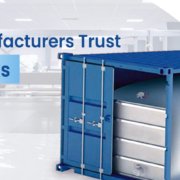
Transporting industrial liquids such as latex, waxes and emulsions requires extreme care. These products are susceptible to contamination, temperature changes and external exposure, making traditional packaging methods such as drums and IBCs less reliable. Manufacturers across the paints, coatings, rubber, adhesives, and emulsifiers industries increasingly choose flexi tanks containers for safer, more efficient bulk liquid transport.
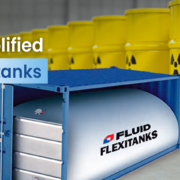
Among the leading flexitank suppliers in India, Fluid Flexitanks stand out for their multilayer protective structure, hygiene standards and global certifications, which ensure products reach their destination in perfect condition.
Understanding the contamination challenges
Latex must remain free from particulate matter or chemical pollutants to prevent coagulation. Waxes must retain purity to maintain their melting points and colour consistency. Emulsions require stable ratios to avoid separation. Traditional packaging methods, especially the reuse of drums, often introduce moisture, dust, and chemical residues, compromising product quality.
Fluid Flexitanks eliminate these risks through a sterile, single-use system that ensures every shipment begins with a fresh, uncontaminated liner. This gives manufacturers complete confidence when transporting sensitive liquid chemicals.
- Multilayer construction for safe industrial transport
Fluid Flexitanks use a multilayer polyethene design that enhances protection for sensitive industrial liquids. Multiple protective layers resist punctures, withstand pressure and maintain barrier strength. This prevents oxygen exposure, moisture intrusion and microbial contamination.
For materials such as latex and emulsions, which are extremely sensitive to air and impurities, this multilayer configuration acts as a strong shield, preserving product quality during long-distance transport. Each flexitank is produced in dust-free, controlled environments to ensure zero contamination during manufacturing. - Superior hygiene and sterile production
One of the most significant advantages of Fluid Flexitanks is their hygienic production process. Every flexitank is manufactured using automated systems inside sterile, dust-controlled facilities. This minimises human contact and reduces contamination risks during manufacturing.
Before dispatch, each flexitank undergoes leak testing, seam testing and a complete quality inspection. This ensures high reliability not only for food-grade cargo but also for sensitive industrial materials. - Operational efficiency and reduced handling
A single flexitank replaces 80 to 100 drums, reducing manual handling and the risk of contamination during loading and unloading. Industrial liquids are pumped directly into the sealed flexitank, avoiding exposure to open air. This improves hygiene, speeds up operations and significantly reduces labour costs.
Flexi tanks containers also eliminate the need for cleaning, storage and disposal of drums. They help manufacturers save space, streamline operations, and reduce overall shipping complexity, making them a preferred option for high-volume industrial liquid transport. - Temperature consistency during transport
Sensitive industrial liquids often require stable temperatures to maintain performance. Waxes may solidify, emulsions may separate, and latex may thicken if exposed to fluctuating temperatures. Flexitanks provide better temperature stability than metal drums because polyethene does not absorb or transfer heat rapidly.
When paired with thermal liners, flexitanks help maintain ideal temperature conditions, even across long voyages and varied climate zones. - Global compliance for safer international shipments
Fluid Flexitanks meet major global standards, including FDA, CIQ and COA regulations. This makes them suitable for both food-grade and industrial-grade cargo. Exporters benefit significantly from these certifications, especially when shipping to markets such as Europe, China, Southeast Asia and the Middle East, where safety standards are strict. - Cost advantages for bulk industrial transport
Using flexi-tank containers significantly lowers logistics costs. Key savings include:
* Higher payload per container
* Reduced labour and loading time
* No cleaning or disposal of drums
* No return freight
* Lower warehouse storage requirements
Manufacturers transporting latex, waxes and emulsions achieve better cost efficiency while reducing operational stress. - Zero contamination through single-use design
Fluid Flexitanks are single-use, eliminating the risk of cross-contamination from previous cargo. This is essential for latex and emulsions because residues from earlier shipments in drums can drastically affect product quality.Every flexitank undergoes strict leak testing, seam testing and quality audits before dispatch. Automated manufacturing ensures consistency, cleanliness and reliability for every shipment.
If your business ships latex, waxes or emulsions and requires a contamination-free, high-capacity and globally compliant transport solution, Fluid Flexitanks offer unmatched safety, efficiency and value. Designed with advanced multilayer protection and sterile manufacturing, they deliver dependable performances for international bulk liquid transport. Contact Fluid Flexitanks today to upgrade your logistics with a secure, cost-effective and contamination-free system tailored for industrial liquid needs.
Frequently Asked Questions
- Why are flexitanks safer than drums for transporting latex, waxes and emulsions?
Flexitanks are single-use, sterile, and multilayered, eliminating contamination risks from residues, moisture, or chemicals often found in reused drums. Their sealed environment protects sensitive industrial liquids from air, dust and impurities during long-distance transport. - How do Fluid Flexitanks prevent contamination during shipping?
Fluid Flexitanks are manufactured in dust-free, controlled facilities and undergo rigorous leak and seam testing. Their multilayer polyethene design provides a fully sealed environment, preventing contact with external contaminants and maintaining product purity throughout transportation. - Can flexi tanks containers maintain product stability during long journeys?
Yes. Flexitanks offer better thermal stability than metal drums, helping prevent temperature fluctuations that can affect latex, waxes, and emulsions. When paired with thermal liners, they help maintain consistent temperatures and avoid thickening, separation or solidification during transit. - Are Fluid Flexitanks suitable for international industrial shipments?
Fluid Flexitanks comply with FDA, CIQ and COA standards, making them widely accepted for global transport. Their safe construction, high capacity and contamination-free design ensure smooth exports to markets such as Europe, China, Southeast Asia and the Middle East. - What cost advantages do flexitanks offer for bulk industrial liquids?
Flexitanks replace up to 100 drums, increasing payload capacity and lowering labour, loading time, cleaning and storage costs. With no return freight and improved operational efficiency, manufacturers save significantly on bulk liquid transport expenses.