Posts

Flexi tanks containers

Shipping Latex, Waxes, and Emulsions with Zero Contamination Risk

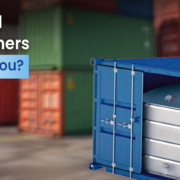
Transporting industrial liquids such as latex, waxes and emulsions requires extreme care. These products are susceptible to contamination, temperature changes and external exposure, making traditional packaging methods such as drums and IBCs less reliable. Manufacturers across the paints, coatings, rubber, adhesives, and emulsifiers industries increasingly choose flexi tanks containers for safer, more efficient bulk liquid transport.

Among the leading flexitank suppliers in India, Fluid Flexitanks stand out for their multilayer protective structure, hygiene standards and global certifications, which ensure products reach their destination in perfect condition.

Understanding the contamination challenges 


Latex must remain free from particulate matter or chemical pollutants to prevent coagulation. Waxes must retain purity to maintain their melting points and colour consistency. Emulsions require stable ratios to avoid separation. Traditional packaging methods, especially the reuse of drums, often introduce moisture, dust, and chemical residues, compromising product quality.

Fluid Flexitanks eliminate these risks through a sterile, single-use system that ensures every shipment begins with a fresh, uncontaminated liner. This gives manufacturers complete confidence when transporting sensitive liquid chemicals.

  1. Multilayer construction for safe industrial transport
    Fluid Flexitanks use a multilayer polyethene design that enhances protection for sensitive industrial liquids. Multiple protective layers resist punctures, withstand pressure and maintain barrier strength. This prevents oxygen exposure, moisture intrusion and microbial contamination.
    For materials such as latex and emulsions, which are extremely sensitive to air and impurities, this multilayer configuration acts as a strong shield, preserving product quality during long-distance transport. Each flexitank is produced in dust-free, controlled environments to ensure zero contamination during manufacturing.

  2. Superior hygiene and sterile production
    One of the most significant advantages of Fluid Flexitanks is their hygienic production process. Every flexitank is manufactured using automated systems inside sterile, dust-controlled facilities. This minimises human contact and reduces contamination risks during manufacturing.
    Before dispatch, each flexitank undergoes leak testing, seam testing and a complete quality inspection. This ensures high reliability not only for food-grade cargo but also for sensitive industrial materials.

  3. Operational efficiency and reduced handling
    A single flexitank replaces 80 to 100 drums, reducing manual handling and the risk of contamination during loading and unloading. Industrial liquids are pumped directly into the sealed flexitank, avoiding exposure to open air. This improves hygiene, speeds up operations and significantly reduces labour costs.
    Flexi tanks containers also eliminate the need for cleaning, storage and disposal of drums. They help manufacturers save space, streamline operations, and reduce overall shipping complexity, making them a preferred option for high-volume industrial liquid transport.

  4. Temperature consistency during transport
    Sensitive industrial liquids often require stable temperatures to maintain performance. Waxes may solidify, emulsions may separate, and latex may thicken if exposed to fluctuating temperatures. Flexitanks provide better temperature stability than metal drums because polyethene does not absorb or transfer heat rapidly.
    When paired with thermal liners, flexitanks help maintain ideal temperature conditions, even across long voyages and varied climate zones.

  5. Global compliance for safer international shipments
    Fluid Flexitanks meet major global standards, including FDA, CIQ and COA regulations. This makes them suitable for both food-grade and industrial-grade cargo. Exporters benefit significantly from these certifications, especially when shipping to markets such as Europe, China, Southeast Asia and the Middle East, where safety standards are strict.

  6. Cost advantages for bulk industrial transport
    Using flexi-tank containers significantly lowers logistics costs. Key savings include:

    * Higher payload per container
    * Reduced labour and loading time
    * No cleaning or disposal of drums
    * No return freight
    * Lower warehouse storage requirements
    Manufacturers transporting latex, waxes and emulsions achieve better cost efficiency while reducing operational stress.

  7. Zero contamination through single-use design
    Fluid Flexitanks are single-use, eliminating the risk of cross-contamination from previous cargo. This is essential for latex and emulsions because residues from earlier shipments in drums can drastically affect product quality.

    Every flexitank undergoes strict leak testing, seam testing and quality audits before dispatch. Automated manufacturing ensures consistency, cleanliness and reliability for every shipment.

If your business ships latex, waxes or emulsions and requires a contamination-free, high-capacity and globally compliant transport solution, Fluid Flexitanks offer unmatched safety, efficiency and value. Designed with advanced multilayer protection and sterile manufacturing, they deliver dependable performances for international bulk liquid transport. Contact Fluid Flexitanks today to upgrade your logistics with a secure, cost-effective and contamination-free system tailored for industrial liquid needs.

Frequently Asked Questions

  1. Why are flexitanks safer than drums for transporting latex, waxes and emulsions?
    Flexitanks are single-use, sterile, and multilayered, eliminating contamination risks from residues, moisture, or chemicals often found in reused drums. Their sealed environment protects sensitive industrial liquids from air, dust and impurities during long-distance transport.

  2. How do Fluid Flexitanks prevent contamination during shipping?
    Fluid Flexitanks are manufactured in dust-free, controlled facilities and undergo rigorous leak and seam testing. Their multilayer polyethene design provides a fully sealed environment, preventing contact with external contaminants and maintaining product purity throughout transportation.

  3. Can flexi tanks containers maintain product stability during long journeys?
    Yes. Flexitanks offer better thermal stability than metal drums, helping prevent temperature fluctuations that can affect latex, waxes, and emulsions. When paired with thermal liners, they help maintain consistent temperatures and avoid thickening, separation or solidification during transit.

  4. Are Fluid Flexitanks suitable for international industrial shipments?
    Fluid Flexitanks comply with FDA, CIQ and COA standards, making them widely accepted for global transport. Their safe construction, high capacity and contamination-free design ensure smooth exports to markets such as Europe, China, Southeast Asia and the Middle East.

  5. What cost advantages do flexitanks offer for bulk industrial liquids?
    Flexitanks replace up to 100 drums, increasing payload capacity and lowering labour, loading time, cleaning and storage costs. With no return freight and improved operational efficiency, manufacturers save significantly on bulk liquid transport expenses.
FDA and CIQ Approved_bulk Liquid transport

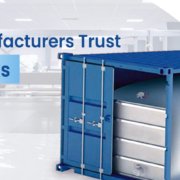
Meeting FDA & CIQ Standards: Why Food Manufacturers Trust Fluid Flexitanks

Food manufacturers worldwide depend on safe, compliant, and efficient methods for transporting edible liquids. When shipping fruit juices, edible oils, syrups, wine or liquid sweeteners, choosing the right packaging solution becomes crucial. Flexitank suppliers in India offer a wide range of options, but only a few consistently meet strict international standards for hygiene, safety and quality. Among these, Fluid Flexitanks stand out for meeting the rigorous requirements of FDA and CIQ standards while offering a reliable, cost-effective bulk liquid transport logistics solution.

Importance of FDA and CIQ Compliance for Bulk Liquid Transport

FDA approval guarantees that every material used inside a flexitank is safe for contact with food liquids. The CIQ standard ensures that shipments entering international markets meet hygiene, safety, and technical requirements. Together, these certifications provide substantial assurance that the product remains uncontaminated throughout transport.

Fluid Flexitanks are made with high-quality food-grade polyethene films that undergo rigorous testing. This ensures that no chemical migration, odour transfer, or impurities affect the stored liquid. For manufacturers who export globally, these safety approvals simplify logistics and reduce the chances of shipment rejection.

  1. Multilayer protection and hygiene


    One of the core reasons food manufacturers choose Fluid Flexitanks is the multilayer design. Multiple layers of virgin polyethene film work together to provide strong protection against punctures, environmental changes and contamination. This structure ensures that the product remains sealed and secure throughout the shipment.
    The production process is controlled and hygienic. Manufacturing takes place in clean rooms where dust and contaminants are eliminated. Automated sealing and packing reduce human contact and minimize contamination risks. Every flexitank undergoes rigorous testing before dispatch, ensuring it meets the high standards required for food-grade transport.
  2. Global compliance and operational ease


    Fluid Flexitanks comply with FDA, CIQ and COA guidelines, making them suitable for a wide range of international shipping routes. Once installed inside a standard 20-foot container, they eliminate the complexities associated with drums, IBCs and ISO tanks. There is no cleaning required, no return freight, no rust risk and no residue issues.
    This ease of operation helps food manufacturers maintain supply chain speed. Loading time is significantly reduced because a flexitank provides a single large storage chamber rather than hundreds of drums.
  3. Cost efficiency in bulk liquid transport


    Cost savings are another significant advantage. Each flexitank has a capacity of up to 24000 litres in a 20-foot container. This significantly increases payload compared to drums or IBCs and reduces the number of containers needed per shipment. With no return freight or cleaning required, the overall logistics cost drops dramatically.
    In industries such as edible oils, fruit concentrates, and liquid sweeteners, where margins are competitive, this cost advantage can make a significant difference. Fluid Flexitanks offer both safety and affordability, making them a strong alternative to traditional packaging.
  4. Minimizing contamination risks


    Contamination is a primary concern in the food processing and export industry. Drums or reused containers can harbour moisture or chemical residue. At the same time, Flexitanks eliminate this worry because they are single-use and sterile. Fluid Flexitanks maintain product purity by preventing exposure to air, dust and environmental factors.
    Seamless, secure sealing ensures the liquid inside remains stable throughout transport. This makes them suitable for temperature-sensitive liquids, such as fruit concentrates and sweeteners.
  5. Reliable technical and supply chain support


    Fluid Flexitanks are backed by strong technical support. The team assists with installation, filling process and loading supervision. Proper guidance ensures that the flexitank performs well and preserves product quality.
    For global food manufacturers, having reliable support reduces operational issues and improves the efficiency of bulk liquid transport. This combination of product quality and service makes Fluid Flexitanks a dependable choice.

For food manufacturers seeking a safe, FDA and CIQ-compliant solution for global liquid transport, Fluid Flexitanks deliver unmatched value. With multilayer protection, sterile production and substantial cost advantages, they offer a reliable alternative to drums and ISO tanks. Connect with Fluid Flexitanks today to upgrade your bulk liquid transport with a safe, efficient and globally trusted solution.


Frequently Asked Questions

  1. Why are FDA and CIQ certifications necessary for flexitanks?

    FDA and CIQ certifications ensure that every material used in the flexitank is safe for direct contact with food-grade liquids. These standards prevent contamination, reduce the risk of shipment rejections, and help exporters meet strict global hygiene and quality requirements.

  2. What makes Fluid Flexitanks suitable for transporting food-grade liquids?

    Fluid Flexitanks are manufactured using multilayer food-grade polyethene films in a sterile environment. Their robust construction, leakproof sealing, and rigorous testing ensure the safe transport of edible oils, juices, syrups, and other sensitive food liquids.


  3. How do flexi tank containers reduce overall logistics costs?

    Flexitanks increase payload capacity, eliminate cleaning charges, remove the need for return freight and replace hundreds of drums with one unit. This reduces labour, handling time and total shipping expense for food manufacturers transporting bulk liquids.


  4. Can Fluid Flexitanks be safely used for long-distance global shipments?

    Yes. Fluid Flexitanks meet FDA, CIQ and COA requirements, making them suitable for international transport. Their multilayer design, stress-tested seams, and secure sealing help maintain product purity during long journeys across different climates.


  5. What types of liquids can be transported using Fluid Flexitanks?

    Fluid Flexitanks are ideal for edible oils, fruit juices, wine, glycerin, liquid sweeteners and other non-hazardous food-grade liquids. Their hygienic construction ensures that each shipment arrives with its quality, aroma and purity intact.
Fluid Flexi Tanks Containers

How to Choose the Right Container for Bulk Liquid Transport

Why Choosing the Right Container Matters for Bulk Liquid Transport

In global trade, bulk liquid transport plays a key role across industries, from food and beverage to chemicals and oils. But with so many container options available, choosing the wrong one can lead to contamination, spillage, cargo loss, and unnecessary expenses. That’s why selecting the right flexi tanks containers is not just a logistical decision, but a business-critical one.

When product integrity, cost-efficiency, and seamless delivery are on the line, flexi tanks containers emerge as the most reliable and future-forward solution.

Types of Bulk Liquid Shipping Containers: A Quick Overview

Before choosing the right container, it’s important to understand the options available:

  1. ISO Tanks – Reusable, made of stainless steel, good for hazardous cargo but costly and require cleaning.
  2. IBCs (Intermediate Bulk Containers) – Stackable plastic tanks, suitable for small batches but not ideal for international shipping.
  3. Drums or Barrels – Traditional, but offer limited capacity and higher manual handling costs.
  4. Flexi Tanks Containers – Single-use, collapsible liners fitted inside standard 20-foot containers; ideal for non-hazardous, high-volume liquids.

While each has its purpose, flexi tanks containers are increasingly preferred for their versatility, hygiene, and efficiency in bulk liquid shipping containers.

Key Considerations When Choosing a Liquid Transport Container

Here’s what you should evaluate when choosing your container:

1. Nature of the Liquid

Is the product food-grade, corrosive, temperature-sensitive, or viscous? The container must match the physical and chemical properties of your cargo. For example, flexi tanks containers are ideal for edible oils, wine, fruit juice concentrates, latex, and other non-hazardous liquids.

2. Volume Requirements

High-volume shipments benefit from containers that offer maximum payload with minimum dead weight. Flexitanks can carry up to 24,000 liters, offering up to 30% more volume than drums or IBCs.

3. Loading and Unloading Speed

Time is money in logistics. Flexitanks offer faster loading and discharge compared to other formats, which reduces demurrage costs at ports.

4. Cost of Transport and Cleaning

While ISO tanks are reusable, they incur high cleaning, return freight, and repositioning costs. In contrast, flexi tanks containers are single-use and fully recyclable, eliminating cleaning costs and cross-contamination risks.

5. Regulatory Compliance

Ensure the container complies with food safety, chemical compatibility, and environmental regulations. A trusted Flexitank manufacturer in India will provide products that meet FDA, BGA, CIQ, and other global standards.

Why Flexi Tanks Containers Are the Smarter Choice

For businesses seeking cost-effective, safe, and scalable bulk liquid transport solutions, flexi tanks containers are often the clear winner.

✅ They Offer:

  • Hygienic single-use design to prevent contamination
  • Up to 30% cost savings on logistics
  • Low packaging weight for better payload optimization
  • Zero cleaning or return costs
  • Quick installation and easy loading/unloading
  • Compatibility with most food-grade and chemical liquids

Fluid Flexitanks, a leading Flexitank manufacturer in India, delivers advanced flexitank systems made with multi-layered, high-tensile polyethylene. Each tank is tested for strength, leak resistance, and chemical compatibility to ensure smooth and safe global shipping.

✅ Tailored Solutions for Every Industry

Whether you’re shipping coconut oil from Kerala, wine from Nashik, or industrial liquids to Europe, flexi tanks containers can adapt to your supply chain requirements. The flexible design fits inside standard containers and provides a seamless transition from factory to port to customer, without requiring costly transfer stations.

✅ Make the Right Move with Fluid Flexitanks

Choosing the right liquid transport container can make or break your shipping success. When you choose Fluid Flexitanks, you’re choosing:

  • Proven reliability
  • Global certifications
  • Custom-fit heating pad options
  • Maximum payload with minimum waste

Do not let outdated methods slow you down. Upgrade to smarter, safer, and more efficient bulk liquid transport with Fluid Flexitanks.

Get in touch with our experts today and find the ideal flexitank solution for your cargo.

Liquid Bulk Transport

Flexitank Market Growth and Insights: A Promising Future for Liquid Bulk Transport

As industries evolve, so does the demand for more efficient and cost-effective solutions in Liquid Bulk Transport. Flexitanks, large, flexible containers used for transporting liquids, are gaining significant traction in the market. The global flexitank market is set for significant growth. Demand is rising across industries such as food, chemicals, pharmaceuticals, and agriculture. This blog explores the market’s growth prospects and future trends. It also highlights how flexitanks address common bulk liquid transport challenges.

Promising Growth in the Global Flexitank Market

According to recent Grand View Research, the global flexitank market is expected to reach USD 1,357.3 million by 2024, with a projected growth rate of 23.6% CAGR from 2025 to 2030. This rapid expansion is driven by industries seeking efficient, eco-friendly, and cost-effective solutions for transporting bulk liquids. With their ability to fit inside standard shipping containers, flexitanks offer a space-saving and flexible alternative to traditional transport methods like drums, IBCs, and ISO tanks.

One of the primary drivers for this market growth is the demand for safe and reliable bulk liquid transport solutions. Flexitanks offer superior advantages such as reduced spillage risks, minimized contamination, and enhanced cost-efficiency. In particular, industries like food and beverage, oil, and chemicals are increasingly adopting flexitanks to streamline their shipping operations and reduce costs.

Layer Type Insights: Enhancing Durability and Safety

Flexitanks are made from multi-layered materials, typically polyethylene (PE) or polypropylene (PP), designed to handle different types of liquids. These layers provide strength, durability, and protection from external factors such as temperature fluctuations and contamination. The number of layers used in manufacturing flexitanks plays a crucial role in the strength and performance of the tank.

Single-layer flexitanks are often used for less sensitive liquids, whereas multi-layer flexitanks provide extra protection for more sensitive liquids, such as edible oils and pharmaceuticals. The use of advanced materials and innovative manufacturing processes ensures that the contents are safely transported with minimal risk of leakage or spoilage.

Flexitank_Liquid_bulk_transport
Credit: Grand View Research

Application Insights: Versatility Across Industries

Flexitanks have a wide range of applications across multiple industries. The food industry, especially for the transportation of edible oils (like palm oil, coconut oil, and vegetable oils), benefits from the flexibility and safety that flexitanks provide. In addition to oils, flexitanks are also used for the transportation of juices, sauces, water, beer, wine, and other bulk liquid items.

  • Palm Oil Transportation: With palm oil being one of the most widely traded edible oils in the world, flexitanks offer a cost-effective solution for transporting this high-value product. Their airtight design ensures that palm oil remains free from contamination, preserving its quality during transit.
  • Juices and Beverages: Flexitanks offer an excellent solution for the transportation of fruit juices and beverages. With a strong and flexible design, these tanks ensure that the product remains uncontaminated and maintains its freshness, even during long-distance transport.
  • Bulk Liquid Transport for Chemicals and Pharmaceuticals: Flexitanks are also increasingly being used for the safe transportation of industrial chemicals and pharmaceutical liquids. These liquids often require stringent safety measures to prevent leaks and contamination, and Flexitanks meet these needs with their robust, leak-proof design.

Asia Pacific Flexitank Market Trends

The Asia Pacific region is witnessing significant growth in the flexitank market, driven by expanding industries like agriculture, chemicals, and food. Countries such as India, China, and Japan are increasingly adopting flexitanks as a reliable and cost-effective transport solution for bulk liquids. The growing demand for eco-friendly solutions, combined with the need for efficient supply chains in emerging markets, is further fueling the market’s growth. Flexitanks are particularly popular in the region for transporting palm oil, edible oils, and chemicals, where large quantities need to be shipped safely and efficiently.

How Fluid Flexitanks Solve Bulk Liquid Transport Challenges

Fluid Flexitanks provide solutions to many common challenges faced in bulk liquid transportation, such as:

  • Cost Efficiency: Flexitanks help businesses save on shipping costs by offering more space inside shipping containers and reducing the need for additional packaging materials like drums or IBCs.
  • Safety and Quality Assurance: Flexitanks are designed to keep liquids intact and uncontaminated during transit. Their airtight design ensures that the contents remain free from exposure to air, moisture, and contaminants.
  • Eco-Friendly Solutions: With sustainability becoming a global concern, flexitanks provide a greener alternative to traditional transport methods. Made from recyclable materials, flexitanks reduce the environmental impact of packaging waste.

Conclusion

The flexitank market is set for significant growth in the coming years, driven by the increasing demand for safe, efficient, and cost-effective bulk liquid transport solutions. With advanced materials, multi-layer designs, and versatile applications across industries like food, chemicals, and pharmaceuticals, flexitanks offer unparalleled benefits.

For businesses looking to optimize their shipping operations, especially in the Asia Pacific region, investing in flexitanks can be a game-changer. They help reduce costs, enhance safety, and contribute to environmental sustainability, making them a preferred choice for bulk liquid transport.


What types of liquids can be transported using flexitanks?

Flexitanks are used for a variety of liquids, including edible oils (palm oil, coconut oil), juices, water, beer, wine, chemicals, and pharmaceuticals.

How do flexitanks maintain the quality of liquids during transit?

Flexitanks are designed with airtight seals and advanced materials to prevent contamination and temperature fluctuations, ensuring that liquids remain safe and fresh.

Are flexitanks environmentally friendly?

Yes, flexitanks are made from recyclable materials, minimizing waste and supporting sustainable transport practices.

How does the use of flexitanks reduce shipping costs?

Flexitanks maximize shipping container space, allowing for more liquid to be transported with fewer shipments reducing overall transportation costs.

What are the advantages of using flexitanks over traditional transport methods?

Flexitanks are more cost-effective, safer, and environmentally friendly than drums, IBCs, and other traditional containers, making them the preferred choice for bulk liquid transport.

flexitank for oil

Protect and Preserve Base Oil During Transit with Flexitank for Oil

Transporting base oil—a key ingredient in producing lubricants, greases, and other industrial products—presents unique challenges due to its chemical composition and sensitivity. Flexitanks offer a revolutionary solution, ensuring base oil’s safe, efficient, and environmentally sustainable transport. In this blog, we’ll explore how Flexitank for oil makes bulk-based oil transportation more effective while preserving its quality and properties.

Introduction to Flexitank for Oil

Fluid Flexitanks are multilayered containers designed to bulk transport liquid and semi-liquid products. Installed inside a standard 20-foot shipping container, these tanks provide an innovative alternative to traditional liquid transport methods such as drums, ISO tanks, and Intermediate Bulk Containers (IBCs).

Flexitanks are particularly suited for non-hazardous liquids like base oil, edible oils, wine, and chemicals, offering unmatched convenience and cost-effectiveness for global logistics.

What Is Base Oil and Its Application?

Base oil is the primary component in lubricants derived from refining crude oil or synthetic chemical processes. It is the foundation for producing engine oils, industrial greases, hydraulic fluids, and other specialty products.

Applications of Base Oil:

  1. Automotive Industry: Used in manufacturing engine and gear oils.
  2. Industrial Sector: Forms the base for hydraulic fluids and industrial lubricants.
  3. Metalworking: Acts as a coolant and lubricant in machining processes.
  4. Textile Industry: Used as a lubricant for textile machinery.

The sensitive nature of base oil demands a transport solution that maintains its purity and prevents contamination, making flexitanks an ideal choice.

Challenges Faced in Transporting Base Oil

Transporting base oil involves several logistical and technical hurdles:

  1. Risk of Contamination:


    Base oil is susceptible to impurities, and even minor contamination can affect its quality and usability.
  2. Temperature Sensitivity:


    Exposure to extreme temperatures can alter the chemical properties of base oil, impacting its performance.
  3. High Transport Costs:


    Traditional methods, such as ISO tanks or drums, often incur higher expenses due to additional handling and packaging requirements.
  4. Spillage Risks:


    Leaks during transit can lead to significant product loss and environmental damage.

These challenges necessitate a transport solution that offers safety, cost-efficiency, and quality preservation—all of which are addressed by flexitanks.

How a Flexitank for Oil Simplifies Base Oil Transportation

Flexitank for oil provides a tailored solution for base oil transport, addressing its unique requirements.

  1. Preservation of Properties

    • Flexitanks are made from food-grade and chemically inert materials, ensuring the base oil remains uncontaminated during transit.
    • Optional thermal insulation layers maintain a consistent temperature, preventing degradation due to heat or cold exposure.
  2. Leak-Proof Design

    • Advanced sealing technology ensures the flexitank is leak-proof, reducing the risk of spillage and product loss.
  3. Cost Efficiency

    • Flexitanks eliminate the need for intermediate packaging, such as drums or barrels, significantly lowering transportation costs.
    • Each flexitank can carry up to 24,000 litres, maximizing shipping container capacity.
  4. Ease of Handling

    • Flexitanks’ installation and loading process is quick and straightforward, reducing labour costs and handling time.
  5. Customizable Options

    • Flexitanks can be tailored with features like anti-static liners or temperature-controlled systems to suit the specific requirements of base oil transportation.

How Bulk Base Oil Transport in Flexitanks Is Environmentally Sustainable

  1. Reduction in Packaging Waste

    • Flexitanks eliminate the need for disposable packaging materials such as drums and barrels, reducing waste generation.
  2. Reusability and Recycling

    • Many flexitank components are recyclable, making them an eco-friendly choice for bulk liquid transport.
  3. Lower Carbon Footprint

    • By maximizing container capacity and reducing the need for multiple shipments, flexitanks help decrease greenhouse gas emissions associated with transport.
  4. Minimized Spillage Risks

    • Leak-proof designs ensure minimal environmental impact in the event of accidents, making flexitanks a safer choice for transporting sensitive liquids like base oil.

Flexitank for oil is a game-changing solution for the bulk transport of base oil, offering cost efficiency, safety, and environmental sustainability. With their ability to maintain the integrity of base oil throughout transit, they are the preferred choice for industries that demand reliability and performance.

Looking for the best flexitank solutions? Contact Fluid Flexitank today for high-quality, customizable flexitank systems to meet your unique transportation needs.

FAQs

  1. Is the Quality of Base Oil maintained in Transit?
    Flexitanks are made from chemically inert materials, ensuring the base oil remains uncontaminated. Features like thermal insulation also maintain consistent temperatures, preserving the quality of the oil during transit.
  2. Are Flexitanks Durable for Long-Term Transit?
    Yes, flexitanks are highly durable and designed to withstand the stresses of long-haul transportation. They undergo rigorous testing to ensure they are leak-proof, tear-resistant, and capable of handling heavy loads.
  3. How Is Base Oil Filled in a Flexitank?
    Base oil is filled into flexitanks using specialized pumping equipment. The process is efficient and ensures that the flexitank is filled uniformly without any air pockets, which could compromise the safety and quality of the shipment.
bulk liquid transport

Flexitank Manufacturers in India: Revolutionizing Bulk Liquid Transport with Advanced Technology and Sustainable Solutions

Bulk liquid transport is crucial in the chemical, food, and pharmaceutical industries. The demand for safe, efficient, and cost-effective solutions has grown in India. Flexitanks, large, flexible containers fitting into standard shipping containers, offer reduced costs, minimal waste, and enhanced safety. This blog explores Flexitanks’ technology, industrial applications, and sustainable benefits, highlighting why they’re a popular choice for bulk liquid transport in India.

What Are Flexitanks?

Flexitanks are large, flexible containers made from high-quality polyethylene (PE) or polypropylene (PP) designed to transport bulk liquids like oils, chemicals, wine, and pharmaceuticals. These containers fit into standard 20-foot or 40-foot shipping containers, maximizing space and reducing shipping costs. Flexitanks offer easy filling and unloading with minimal risk of leaks or contamination, providing a safer, more efficient, and eco-friendly alternative to traditional transport methods like drums or intermediate bulk containers (IBCs).

Technology Applied in Manufacturing Flexitanks

The technology behind Flexitanks is central to their efficiency and durability. Advanced technologies are used to design and create Flexitanks, which are capable of withstanding the rigours of transportation while protecting the contents inside. The technology applied in Flexitank manufacturing can be broken down into several key elements:

1. Material Composition

Flexitanks are primarily made of multi-layered polyethylene (PE) or polypropylene (PP). The layers provide additional strength and resistance to punctures, preventing leaks and ensuring safe transportation. These materials are also flexible, enabling the tank to conform to the shape of the shipping container, thus reducing the risk of cargo movement during transit. The latest advancements in material technology ensure that Flexitanks are lightweight yet incredibly strong and durable.

2. Seamless Fusion Technology

Seamless fusion technology is one of the most significant technological advancements in Flexitank production. Unlike traditional sewn bags, which can have weak points along the seams, Flexitanks are manufactured using heat fusion, which joins the fabric without sewing. This results in a seamless structure that minimizes the risk of leaks and increases the overall strength of the tank.

3. Integrated Venting and Monitoring Systems

Flexitanks used for specific liquid cargo, such as chemicals or food-grade liquids, are designed with integrated venting systems that allow for the safe release of gas or pressure. Additionally, monitoring systems can be incorporated into Flexitanks to track temperature, pressure, and fill levels. This ensures that the cargo remains safe and the quality is maintained throughout the journey.

Industrial Applications of Flexitanks in India

Flexitanks are increasingly used across various industries in India due to their versatility, cost-effectiveness, and efficiency. Some of the key industrial applications include:

1. Food and Beverage Industry

In the food industry, especially for transporting edible oils, juices, and wine, Flexitanks are the preferred solution. Their ability to preserve the quality of the liquid and prevent contamination is a significant advantage over traditional methods like drums or tanks. Flexitanks ensure that liquids remain fresh and free from contaminants, maintaining the quality of food products throughout the transportation process.

2. Chemical Industry

The chemical industry, which requires the safe transport of various chemicals, including hazardous materials, benefits significantly from Flexitanks. Their strength, ability to handle corrosive materials, and the secure storage of liquids make them ideal for this industry. Flexitanks help reduce the costs associated with transporting chemicals while ensuring that regulatory standards for safety and handling are met.

3. Pharmaceuticals and Healthcare

In the pharmaceutical industry, where temperature control and protection against contamination are critical, Flexitanks offer a reliable solution. Flexitanks can be insulated to maintain the required temperature, ensuring that sensitive materials like vaccines and other pharmaceutical products are transported safely and without degradation.

4. Agriculture and Agrochemicals

Flexitanks are also widely used in agriculture to transport liquid fertilizers, pesticides, and herbicides. These bags ensure that chemicals are safely stored and transported without leakage or contamination. The ability to optimize space within standard shipping containers makes Flexitanks a practical choice for agricultural businesses seeking to move large quantities of liquid products efficiently.

Sustainable Solution for Bulk Liquid Transport

As sustainability becomes a growing concern in the logistics and shipping industries, Flexitanks offer a more eco-friendly alternative to traditional methods. The benefits of Flexitanks in terms of sustainability are evident:

  1. Reduced Carbon Footprint: Flexitanks maximize container space, reduce the number of shipments, lower carbon emissions, and help businesses contribute to energy conservation and pollution reduction.
  2. Recyclable Materials: Made from recyclable PE and PP, Flexitanks reduce waste and support circular economy principles, with many manufacturers offering collection and recycling services.
  3. Minimal Packaging Waste: Flexitanks eliminate the need for multiple packaging layers, reducing waste and minimizing the environmental impact of traditional packaging materials

Fluid Flexitanks have transformed bulk liquid transport, providing a cost-effective, safe, and sustainable solution. In India, industries like food, chemicals, pharmaceuticals, and agriculture are increasingly adopting Flexitanks. Their advanced technology and environmental benefits make them ideal for businesses seeking efficient, eco-friendly shipping. Fluid Flexitanks leads the industry with reliable, innovative solutions for global businesses.

Flexitank Suppliers in India

Leading Flexitank Suppliers in India for Bulk Liquid Transportation

As a business in need of bulk liquid transport, one of the most critical decisions you’ll face is selecting the right Flexitank supplier in India. The right supplier can be the difference between seamless operations and costly, time-consuming delays.

In this blog, we’ll explore flexitanks, their benefits, and what to look for when choosing the best flexitank suppliers in India. We’ll also explore the advantages of partnering with a supplier that understands your industry’s specific needs.

Importance of Flexitank Suppliers in India

India has emerged as a major hub for liquid transport. The demand for bulk liquid solutions is increasing across various sectors, such as pharmaceuticals, food and beverages, chemicals, and industrial products. Flexitanks provide a scalable solution to this growing demand, offering significant cost and efficiency benefits.

As the flexitank market grows, so does the number of flexitank suppliers in India. But not all suppliers are created equal. Choosing the right one can significantly impact your business’s logistics, cost savings, and product integrity.

Benefits of Flexitanks

Before diving into how to choose the best flexitank supplier in India, it’s important to understand why flexitanks are a preferred choice for bulk liquid transport:

1. Cost-Efficiency

Flexitanks can carry up to 24,000 liters of liquid, which is far more than what can be transported using drums or IBCs. This allows businesses to reduce packaging costs and freight charges by maximizing the container’s capacity.

2. Versatility

Flexitanks are designed to transport a wide range of non-hazardous liquids such as edible oils, wine, juices, chemicals, and industrial lubricants. Whether you are in the food industry or dealing with chemicals, flexitanks can easily accommodate your bulk liquid transportation needs.

3. Environmental Impact

Flexitanks are designed for single-use, ensuring the safe and hygienic transport of liquids. Once the liquid is offloaded, the tank can be recycled, reducing the carbon footprint associated with cleaning and reusing drums or IBCs.

4. Time-Saving

With flexitanks, the loading and unloading processes are quicker and more efficient compared to traditional methods. This can save valuable time, especially in industries with tight schedules and high-volume operations.

5. Reduced Risk of Contamination

The single-use nature of flexitanks minimizes the risk of cross-contamination between shipments, which is especially important for industries that transport food products or sensitive chemicals.

How to Choose the Right Flexitank Supplier in India

Given the importance of flexitanks in your supply chain, choosing a reliable flexitank supplier in India is a decision that should not be taken lightly. 

Let’s take a look at he checklist:

1. Experience and Expertise

Flexitank suppliers that have been in the market for years typically understand the logistics challenges associated with bulk liquid transport and can offer solutions tailored to your specific needs.

2. Quality Standards

Flexitanks should comply with global regulations such as COA (Container Owners Association) guidelines to ensure they meet the highest levels of safety, durability, and reliability. Ask the supplier about their certification and the quality checks they conduct before shipping.

3. Custom Solutions

Different industries have unique requirements. Whether it’s temperature-sensitive liquids, food-grade materials, or chemicals that need specific handling procedures, the supplier should offer customization options for your business.

4. Comprehensive Services

A reliable flexitank supplier will offer more than just the product. Look for companies that provide end-to-end solutions, including technical support, logistical assistance, and emergency response services. A supplier with a solid support system can help resolve issues quickly and minimize delays in your supply chain.

5. Global Reach and Distribution Network

India is a global export hub, and your chosen supplier should have the ability to cater to international shipping routes. A supplier with a vast distribution network and experience in global logistics can ensure smooth cross-border transport, no matter where your products are headed.

6. Customer Testimonials and Case Studies

Don’t hesitate to ask the supplier for references or case studies of previous clients. Testimonials from businesses in your industry can provide valuable insights into the supplier’s reliability, product quality, and customer service.

7. Competitive Pricing

While cost should never be the sole factor in choosing a flexitank supplier, it’s essential to ensure you are getting good value for your money. Compare pricing among different suppliers, but also weigh in factors such as quality, service, and the overall reputation of the company.

Why Indian Flexitank Suppliers Stand Out

India’s flexitank suppliers have earned a strong reputation globally due to their high-quality products and commitment to customer satisfaction. Leading suppliers in India have invested in cutting-edge technology and innovation to ensure their flexitanks are durable, efficient, and compliant with international standards.

Moreover, suppliers based in India understand the specific challenges faced by domestic industries, such as infrastructure constraints and fluctuating environmental conditions, and can provide tailored solutions that meet these unique demands.

Conclusion

Selecting the right flexitank supplier in India is a critical decision that can impact the efficiency and profitability of your supply chain. However, partnering with a supplier that aligns with your operational needs, adheres to high-quality standards, and offers comprehensive support is key to ensuring a smooth and successful bulk liquid transport experience.

When you invest in the right Flexitank supplier, you are not just purchasing a product—you are gaining a partner dedicated to helping your business grow and thrive in today’s competitive market.

Shipping Container Liners

Optimizing Cargo Protection with Shipping Container Liners

Whether you’re shipping agricultural products, chemicals, or food-grade materials, ensuring the safety and integrity of your goods is critical. One effective solution that has gained popularity is the use of shipping container liners. These liners serve as a reliable, cost-effective way to protect your cargo from contamination, moisture, and damage while maximizing the capacity of standard containers.

In this blog, we’ll explore the benefits of shipping container liners, their various applications, and why choosing high-quality liners from companies like FluidFlexitanks can make all the difference for your business.

Understanding Shipping Container Liners

Shipping container liners are large, flexible liners made of materials such as polyethylene (PE), polypropylene (PP), or a combination of these polymers. They are designed to fit snugly inside standard shipping containers, creating a barrier between the cargo and the container walls. The primary purpose of these liners is to protect bulk goods from external contaminants and environmental conditions during transit.

Container liners can be used for transporting a wide variety of products, including:

  • Dry bulk goods such as grains, seeds, and powders
  • Liquids such as oils, beverages, and chemicals
  • Granular products like fertilizers and plastic resins

Given the vast range of materials that can be transported, it’s clear that these are versatile and can cater to numerous industries, from food and beverage to chemical and agriculture.

Why Use Shipping Container Liners?

1. Enhanced Cargo Protection

One of the most significant advantages of using these is the enhanced protection they offer. Standard containers are often used multiple times and can accumulate residues from previous shipments, leading to contamination risks. By using container liners, you create a sterile environment that protects your goods from dirt, moisture, and foreign substances that could otherwise compromise the quality of your cargo.

For example, even the slightest contamination could lead to significant financial losses and reputational damage when shipping food-grade products. Shipping container liners act as a physical barrier, preventing direct contact between the cargo and the container walls, thereby maintaining product purity.

2. Cost-Effectiveness

Container liners are an affordable solution for bulk shipping. Compared to traditional packaging methods such as pallets, drums, or intermediate bulk containers (IBCs), container liners allow for more efficient use of space. This means you can transport larger quantities of goods in a single shipment, reducing overall shipping costs. Additionally, installing liners is a quick and straightforward process, saving labour costs and time.

At FluidFlexitanks, we provide container liners that are designed to fit perfectly into your shipping container, maximizing the volume you can transport while ensuring ease of use.

3. Versatility Across Industries

From agricultural products to industrial chemicals, these can be tailored to the specific needs of different industries. For instance, container liners used in the food industry must adhere to strict hygiene standards and be made from FDA-approved materials, ensuring that the cargo remains uncontaminated. On the other hand, liners used for transporting hazardous chemicals need to be extremely durable and resistant to punctures or leaks.

FluidFlexitanks offers customized shipping container liners that meet industry-specific requirements, ensuring that whatever you’re shipping arrives in optimal condition.

4. Environmental Benefits

Shipping container liners offer an environmentally friendly alternative to traditional bulk packaging. They reduce the need for disposable packaging materials like cardboard and wooden pallets, which contribute to deforestation and waste. Many container liners are also recyclable, further reducing their environmental impact.

By choosing FluidFlexitanks’ eco-friendly liners, companies can reduce their carbon footprint while maintaining the efficiency of their supply chain.

Choosing the Right Shipping Container Liners

Selecting the right container liner for your shipping needs requires careful consideration of several factors, including:

  • Material compatibility: Ensure the liner material is compatible with the product being shipped. For example, food-grade liners should be made from non-toxic, FDA-approved materials.
  • Capacity: The liner should fit the specific dimensions of your shipping container and maximize its storage capacity.
  • Durability: Depending on the nature of your cargo, you may need liners that are puncture-resistant or able to withstand harsh environmental conditions.
  • Ease of installation: High-quality liners are designed for quick and easy installation, reducing labor costs and downtime.

At FluidFlexitanks, we work closely with our clients to understand their specific shipping needs and recommend the best container liners to suit their requirements. Our liners are made from durable, high-quality materials and undergo rigorous testing to ensure they meet industry standards.

FluidFlexitanks: Your Trusted Partner 

FluidFlexitanks is a leading provider of shipping container liners and flexitanks. Our products are designed to meet the highest quality standards, offering superior protection and durability for all types of cargo.

We work with our clients to provide exact solutions that meet their specific needs. Our team is dedicated to ensuring that your shipping process runs smoothly.

Conclusion

Incorporating shipping container liners into your logistics strategy offers multiple benefits, from enhanced cargo protection to cost savings and environmental sustainability. At FluidFlexitanks, provide top-notch container liners that meet the specific needs of your industry. Whether you’re shipping dry bulk goods or liquids, our solutions are designed to protect your cargo and optimize your shipping operations.

To learn more about how FluidFlexitanks can help you with your shipping needs, visit our products page or contact our team today.

Flexitank Manufacturer in India

Fluid Flexitank – Discover the Best Flexitank Manufacturer in India

Flexitanks have emerged as a preferred choice for many industries due to their cost-effectiveness, flexibility, and environmental benefits. If you’re on the lookout for a top-notch flexitank manufacturer in India, look no further than Fluid Flexitank.

Understanding Flexitanks

Before we delve into the reasons to choose Fluid Flexitank, let’s quickly understand what flexitanks are. Essentially, a flexitank is a large, flexible container made from high-quality food-grade materials. It is designed to be placed inside a standard 20-foot or 40-foot shipping container for the safe transportation of liquid bulk products like edible oils, chemicals, wine, and more.

Renowned Flexitank Manufacturer in India

  • Uncompromising Quality: At Fluid Flexitank, quality is not just a word; it’s a commitment. We adhere to stringent international standards to ensure that every flexitank we produce meets the highest quality benchmarks. Our products are crafted using premium-grade materials to guarantee the safety and integrity of your valuable cargo.
  • Extensive Experience: With years of experience in the industry, Fluid Flexitank has honed its expertise in manufacturing flexitanks that cater to diverse industry needs. Our deep understanding of the challenges faced by our clients allows us to deliver solutions that are tailored to their specific requirements.
  • Customization: We believe in providing flexible solutions. Fluid Flexitank offers a wide range of customization options to meet your unique needs. Whether it’s the size, material, or specific features, we can create a flexitank that perfectly aligns with your cargo and transportation requirements.
  • Cost-Effective Solution: Compared to traditional bulk liquid transportation methods, flexitanks offer significant cost savings. From reduced packaging costs to optimized container utilization, our flexitanks help you optimize your logistics expenses without compromising safety.
  • Environmental Friendly: Fluid Flexitank is committed to sustainability. Our flexitanks are designed to minimize environmental impact. They are reusable, recyclable, and contribute to reducing waste generated by traditional packaging materials.
  • Outstanding Customer Support: We prioritize our customers and are committed to delivering exceptional service. Our dedicated team is always ready to assist you with any queries, concerns, or requirements. We are committed to fostering enduring partnerships with our clients, grounded in trust and dependability.
  • Compliance and Certifications: Fluid Flexitank is committed to adhering to international regulations and standards. Our flexitanks are manufactured in compliance with the latest industry norms, ensuring safety and compliance throughout the supply chain.


    Bottom Line


    When it comes to choosing a flexitank manufacturer, opting for a reliable and experienced partner is crucial. Fluid Flexitank stands out as a leading choice due to its unwavering commitment to quality, customization, cost-effectiveness, and environmental responsibility. By selecting Fluid Flexitank, you’re not just choosing a product; you’re investing in a seamless and efficient liquid bulk transportation solution.
Heater pads for flexitanks

Understanding Heater Pads for Flexitanks

Heater pads for flexitanks play a crucial role in ensuring the efficient transportation of temperature-sensitive liquids, offering a reliable heating solution for various industrial and commercial applications. Whether shipping food-grade products, chemicals, or pharmaceuticals, maintaining the right temperature during transit is essential to preserve product integrity and quality.

Heater Pads for Flexitanks

What are Heater Pads?

Heater pads are specialized heating elements designed to regulate the temperature inside flexitanks, which are large, flexible containers used to transport liquids in bulk. These pads are typically placed beneath or around the flexitank to provide uniform heating throughout the container. They are essential for preventing liquids from freezing during cold weather or maintaining optimal temperatures as required by the cargo.

How to Operate Heater Pads in Flexitank?

Operating heater pads for flexitanks involves straightforward steps to ensure effective temperature control:

  1. Installation: Before filling the flexitank, ensure the heater pads are properly installed according to manufacturer guidelines. This includes securing them evenly underneath or around the flexitank.
  2. Power Connection: Heater pads are powered electrically. They often come with plug-and-play functionality or require simple wiring to a power source. Always use compatible power outlets and ensure the voltage matches the pad specifications.
  3. Temperature Control: Most heater pads are equipped with temperature sensors and controllers. Set the desired temperature based on cargo requirements using the provided control panel or digital interface.
  4. Monitoring: Regularly monitor the temperature inside the flexitank during transit. Adjust the heater pad settings if necessary to maintain consistent temperatures as per cargo specifications.

Specifications of Heater Pads

Heater pads vary in specifications based on the type of cargo and environmental conditions:

  • Power Rating: Typically ranges from 1000 watts to 3000 watts, depending on the size and heating requirements.
  • Temperature Range: Can heat from ambient temperature up to 80°C or higher, suitable for a wide range of liquids.
  • Material: Constructed from durable materials such as silicone or polyurethane with insulation to ensure safety and efficiency.
  • Size and Shape: Available in various dimensions to fit different flexitank sizes and configurations.
Conclusion

Heater pads for flexitanks are indispensable for ensuring the safe and efficient transportation of liquids that require controlled temperatures. By understanding their operation, specifications, and addressing common FAQs, users can effectively utilize heater pads to maintain product quality and integrity throughout the shipping process.

In conclusion, investing in quality heater pads and following proper operational procedures is essential for industries reliant on flexitanks for bulk liquid transportation. Whether for food, pharmaceuticals, or industrial chemicals, heater pads provide the necessary thermal control to safeguard valuable cargo.

Frequently Asked Questions (FAQs)

Q1: Are heater pads safe to use with all types of liquids?

  • Heater pads are designed to be compatible with most liquids, including food-grade products, chemicals, and pharmaceuticals. However, always verify compatibility with specific cargo requirements.

Q2: Can heater pads be used in cold climates?

  • Yes, heater pads are specifically designed to prevent liquids from freezing during transportation in cold climates. They provide reliable heating to maintain consistent temperatures.

Q3: How long do heater pads last?

  • The lifespan of heater pads depends on usage and maintenance. With proper care and regular inspection, they can last for several years.

Q4: Can heater pads be repaired if damaged?

  • In most cases, minor damages can be repaired by qualified technicians. Manufacturers often provide repair services or replacement parts.

Q5: Are heater pads easy to install and remove?

  • Yes, heater pads are designed for easy installation and removal. They are lightweight and flexible, allowing for quick setup and dismantling.