
Understanding the Stretchable and Absorbent Properties of Flexitank Materials
The global demand for Bulk Liquid Transport has surged as industries seek more efficient alternatives to traditional drums and ISO tanks. This shift has placed flexitanks at the center of modern logistics. These flexible bladders are no longer just simple plastic bags. They are highly engineered systems designed to withstand the immense physical pressures of international shipping. Understanding the material science behind these containers is essential for ensuring cargo safety and operational efficiency.
Material Composition: The Multi-Layer Defense
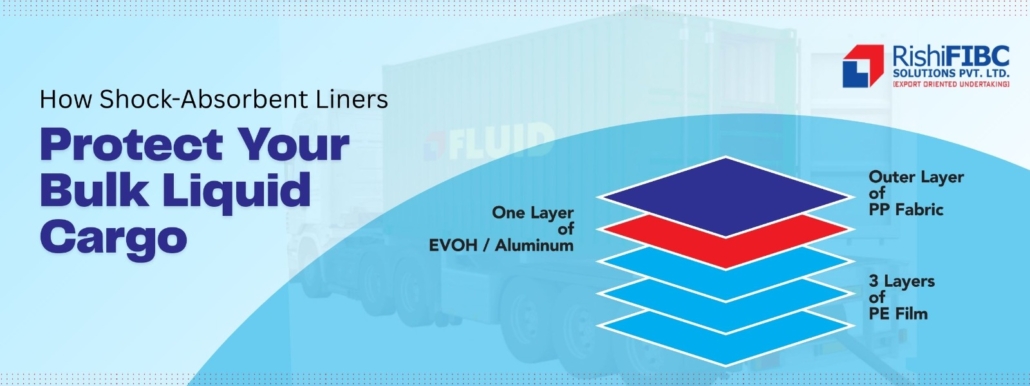
A high-quality flexitank relies on a sophisticated multi-layer construction to provide both flexibility and strength. The inner layers typically consist of multiple plies of high-grade Polyethylene (PE) film. PE is selected for its exceptional elongation at break which allows the material to stretch without losing structural integrity.
Surrounding these inner layers is a robust outer layer made of woven Polypropylene (PP) fabric. This outer sleeve acts as the primary containment unit. While the PE layers hold the liquid, the PP fabric provides the tensile strength necessary to resist punctures and abrasions. This combination of “stretch” from the PE and “hold” from the PP is what makes liquid shipping containers reliable for long-distance hauls.
Flexitank manufacturer in India supporting Bulk Liquid Transport growth
India has become a major exporter of agricultural and industrial liquids. As export volumes grow, reliable packaging systems become essential. A reputable Flexitank manufacturer in India provides the engineering expertise required to handle large-scale Bulk Liquid Transport.
Fluid Flexitanks has built its reputation by focusing on material quality, manufacturing precision, and strict testing protocols. Each flexitank is engineered with multilayer polyethylene films supported by woven polypropylene outer protection. This combination offers flexibility, strength, and abrasion resistance during transport.
Quality control is critical in bulk logistics. Tanks must withstand hydrostatic pressure, container vibration, and environmental changes during long sea voyages. Manufacturers who follow defined Flexitank Container Specifications ensure that each unit consistently meets these requirements.
By providing durable liquid shipping containers that perform reliably under pressure, Fluid Flexitanks supports exporters across multiple industries.
Understanding Stretchable Properties
When a flexitank is filled with 16,000 to 24,000 liters of liquid, it exerts massive hydrostatic pressure against the container walls. The material must be able to adapt to this weight. Stretchability is a core safety feature that prevents the material from becoming brittle or snapping under tension.
High elongation capacity ensures the flexitank can expand to precisely match the dimensions of the container. This flexibility is vital when the vessel encounters sea turbulence or sudden braking during rail or road transport. By stretching slightly rather than resisting rigidly, the material dissipates energy and prevents ruptures that would otherwise lead to catastrophic leaks.
Understanding Absorbent and Shock-Resistant Properties
In the context of flexitank engineering, “absorbent” does not refer to soaking up liquid like a sponge. Instead, it refers to the material’s ability to absorb mechanical shock and distribute pressure evenly. During loading, the initial surge of liquid creates a high-pressure impact on the tank floor. The shock-resistant properties of the multi-ply PE construction help dampen this force.
Furthermore, the material must endure the “sloshing” effect caused by the motion of the ship or truck. As the liquid shifts, it creates dynamic loads. An effective Flexitank manufacturer in India utilizes advanced layer blown film plants to ensure the material can absorb these constant shifts without thinning at the corners. This resilience directly affects the safety of the cargo and the container.
Why Material Quality Impacts Capacity and Safety
The structural reliability of a flexitank is directly tied to the quality of the raw materials used. Low-grade polymers often lack the molecular bonding needed to withstand extreme temperature variations or high-pressure loads. If a material cannot stretch or absorb shock effectively, the risk of failure increases exponentially.
To maintain Flexitank Container Specifications, leading manufacturers implement rigorous in-house testing. This includes testing raw materials for quality before production and double-inspecting finished goods. State-of-the-art R&D labs allow engineers to simulate the harshest shipping conditions to ensure the tank meets international compliance standards.
Applications Across Industries
The versatility of modern flexitank material makes it ideal for a wide range of non-hazardous products. These materials are tested to meet US FDA and other international food-grade criteria. Common applications include:
- Food & Beverage: Wine, concentrated juices, edible oils, and malt extract.
- Industrial Chemicals: Lubricants, surfactants, base oils, and glycerine.
- Agricultural: Fertilizers and herbicides.
For each of these cargo types, the material’s resistance to chemicals and acids is critical to preventing contamination.
Why Choosing the Right Manufacturer Matters
Selecting a flexitank is a decision that impacts your entire supply chain. It requires a partner with vast expertise in the textile and polymer industries. A reliable manufacturer provides integrated production from extrusion to finished goods, ensuring total quality control.
Fluid Flexitanks offers a world-class facility that utilises European machinery to produce specialised liners, including EVOH and Aluminum barriers. Their 7-layer blown film technology ensures that every tank is durable and reliable. By focusing on engineering excellence rather than just cost, they provide a solution that truly protects your investment.
The absorbent and stretchable properties of a flexitank are not minor technical details. They are the core safety factors that ensure your bulk liquid arrives safely. These materials allow the tank to move with the journey rather than fighting against it. Before choosing a supplier, always consult with experts who understand the material science required for your specific cargo.
Choosing Fluid Flexitanks means choosing a legacy of superior material engineering and a proven safety record. Ensure your bulk liquid transportation is handled by the best in the industry. Learn more about Fluid Flexitanks’ bulk packaging solutions here.

